
The Canon New F-1 of 1981 is an interesting camera. It’s been on my camera bucket-list for a while, and I very recently added one to my stable of FD-body cameras. It is very much a “system” camera. And it’s features can be added or subtracted by adding or removing a myriad of accessories to fit your intended use. For example, adding the power winder or motor drive turns it into a shutter-priorty AE camera. And even though it’s technically capable of aperture-priority AE right out of the box, you really need the AE prism to make the best use of it (otherwise you’ll have no idea which shutter speed has been chosen by the camera).
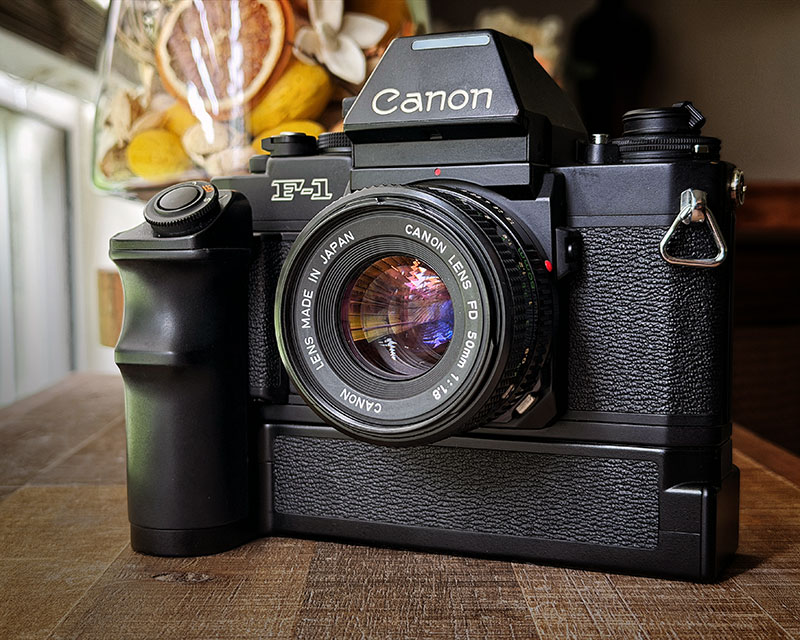
Maybe the most interesting feature of the New F-1 is the metering. Canon decided to provide the options of center-weighted, selective (or partial), and spot. These are not controlled via a switch on the camera, though. These metering patterns are tied to the focusing screens. The standard, out-of-the-box set-up is the Type E screen configured for center-weighted. If you prefer spot-metering, you just need to obtain screen Type-E in spot configuration. Or you could simply choose a different screen type that offers spot-metering. If you’re familiar with the metering pattern of the original F-1 (noted by a central rectangular pattern), you can get that on the New F-1 as well. Canon calls this pattern “selective”. All you need to do to use that pattern is pick up one of the screens that provides it.
Now, I know you’re wondering “how the heck is the metering pattern dictated by the focusing screen that’s in use??” Well, I wondered that myself. Apparently each screen is constructed to reflect a particular pattern of light onto the metering cell. So, a center-weighted screen Type-E, for example, reflects light to the metering cell differently than a screen Type-E capable of selective or a screen Type-E capable of spot metering. Pretty cool, huh? Is this the best way to achieve multiple metering patterns? In hindsight we’d probably say no. But in 1981 it was probably a genius move.
What all of this means, though, is that there are a LOT of focusing screens available for the New F-1. There are 13 different types, and each type has at least two variations for metering. As noted above, there are three versions of the standard Type-E screen. Five other types also have three variations. The other seven types come in two variations – omitting the spot-metering option. In total there are 32 to choose from. And they can be identified by the following method:
New F-1 screens as well as most of the system accessories are labeled “FN”. Concerning the screens, the first letter identifies the metering type.
- A – Center-weighted Averaging
- P – Selective (Partial)
- S – Spot
So, if you see a screen marked SB, you’re looking at a spot-metering version of screen type B. And in order to help you make sense of all of this, below are the different screen types, their metering variations, and descriptions of their best uses.
A. Standard Microprism
Matte/Fresnel field with microprism rangefinder. For general photography with all lenses.
Available in Center-weighted (A) and Selective (P) metering configurations.
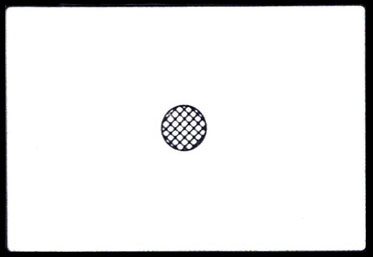
B. New Split
Matte/ Fresnel field with central microprism rangefinder.
For general photography with all lenses.
Available in Center-weighted (A), Selective (P), and Spot (S) metering configurations.
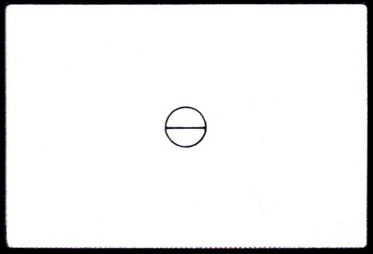
C. Overall Laser Matte
Matte/Fresnel field with clear matte enables viewing and focusing without distraction in the center. Ideal for macro and telephoto photography.
Available in Center-weighted (A), Selective (P), and Spot (S) metering configurations.

D. Laser Matte with Grid
Reference lines aid in situations where lateral and vertical composition accuracy is important, e.g. copy work and architectural photography. Especially suited for the TS 35mm lens.
Available in Center-weighted (A) and Selective (P) metering configurations.
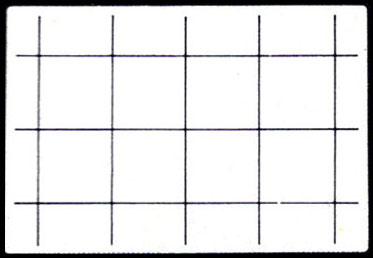
E. New Split / Microprism
Standard in the New F-1. Multipurpose type for all lenses, enables focusing with the split image, microprism, or matte field depending on the subject ro your own preference.
Available in Center-weighted (A), Selective (P), and Spot (S) metering configurations.
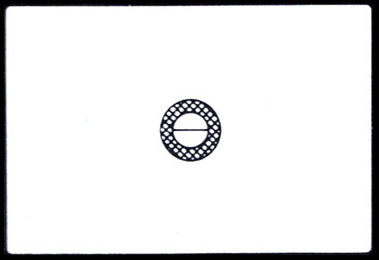
F. Microprism / Fast Lenses
An excellent choice when using fast lenses (f/1.2 – f/2.8). Affords easy, extremely accurate focusing.
Available in Center-weighted (A) and Selective (P) metering configurations.
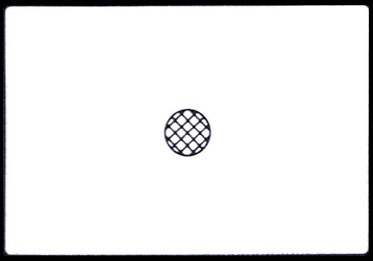
G. Microprism / Slow Lenses
Similar to F, but for slower maximum aperture of f/3.5 – f/5.6. Does not incur prism darkening.
Available in Center-weighted (A) and Selective (P) metering configurations.
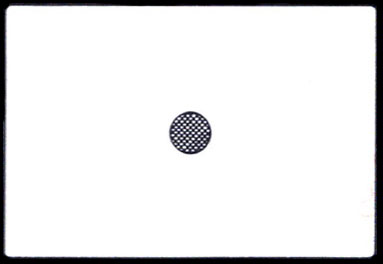
H. Laser Matte with Scale
For high-magnification applications such as close-up photography and photomacrography. With fine matte center and 1mm gradations on vertical / horizontal lines and around edges.
Available in Center-weighted (A) and Selective (P) metering configurations.
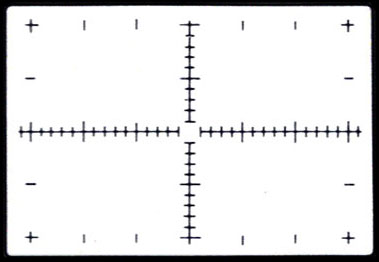
I. Laser Matte with Double Cross-Hair Reticle
Well-suited for applications requiring high magnifications such as photomacrography and astrophotography. To focus, move your eye from left to right. If the cross-hairs stay in the same position on the subject, the subject is in focus.
Available in Center-weighted (A), Selective (P), and Spot (S) metering configurations.
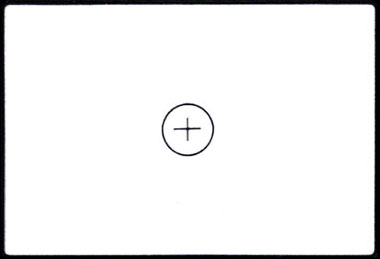
J. Bright Laser Matte / Short Lenses
Together with the Bright Laser Matte K, these are the brightest screens of the system. Especially effective with 50mm to 200mm lenses and dark subjects or when using small working apertures.
Available in Center-weighted (A), Selective (P), and Spot (S) metering configurations.

K. Bright Laser Matte / Long Lenses
Provides the same unobstructed viewing as the Bright Laser Matte J. suitable of 300mm telephoto lenses or longer. Also effective for photomacrography.
Available in Center-weighted (A), Selective (P), and Spot (S) metering configurations.

L. Cross Split
Divides the subject both horizontally and vertically. Subject is in focus when the four quarters merge to become one unbroken image. Applicable to all lenses.
Available in Center-weighted (A) and Selective (P) metering configurations.
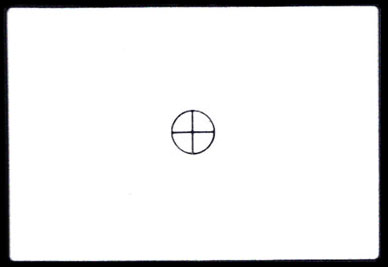
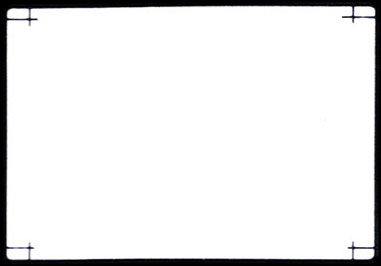
M. A/B Size Laser Matte
The screen for those in the publishing and advertising fields. Engraved crosses in corners facilitate cropping.
Available in Center-weighted (A) and Selective (P) metering configurations.


Wow that is some choice of screens ! I wish I had that choice for my 1959 K.W Praktica IV, boy is that difficult to focus !
LikeLike
You know, I really need to pick up a Praktica. I had never given them much thought because they sorta flew under the radar here in the US. But reading your posts about them has my curiosity up.
LikeLike
Hehe, I like em, but that is maybe like Exas it is because I have used then for years. They are nice cameras though, especially the IV and VF types of 1959-65ish.
Trouble is with Prakticas they were cheap in the West, so did not always get the best type of owner if you know what I mean, so lots available now have had a hard time! Just bought an L series off ebay, but the film was first film very over exposed, so a shutter fault there. If you can find a good one they are nice!
LikeLike