

Mamiya was first formed in Japan in 1940 as Mamiya Optical Works. Their first camera offering was the 6×6 Mamiya-6 folder. It had a coupled rangefinder and a very unique method of achieving focus. Instead of moving the lens forward and backward in relation to the film plane, the Mamiya-6 moved the film plane forward and backward in relation to the lens. I don’t know if this design was a solution to a problem or just cool engineering, but it worked. And the Mamiya-6 was the only camera offered by the company for the first eight years.
In 1948 the company added new models to their production – the Mamiyaflex TLR, the Mamiya 35 rangefinder and the Mamiya-16, a tiny “spy” camera using 16mm film. The first SLR was the Prismat of 1960. The same year saw the release of the Mamiya Press.
The company struck gold in 1970 with their studio-pro-oriented RB-67, a 6x7cm SLR with a revolving back. It could be found in many studios in the 1970s, 1980s and 1990s. The camera went through only a few updates in its decades-long life, the Pro-SD version being released in 1990.
Another landmark Mamiya camera, the M645 – a 6×6.45 SLR, was brought to market in 1975. It was much smaller than the RB-67 and more suitable for location work. It was also a hit and evolved through several different iterations. The current Phase One medium-format digital system is a direct descendant of this model.
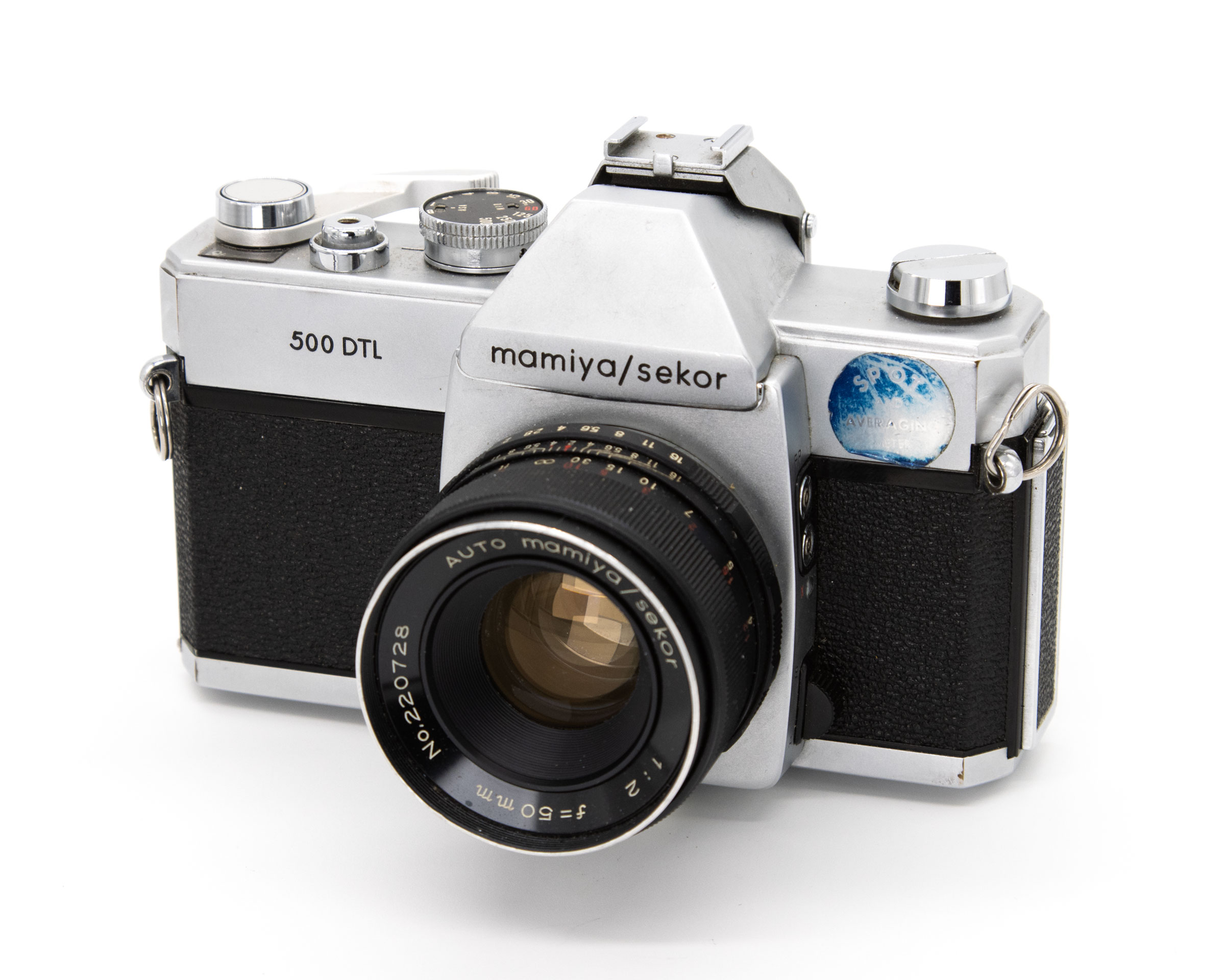
Mamiya cameras in my collection
Click on the camera for more detailed information on select models.



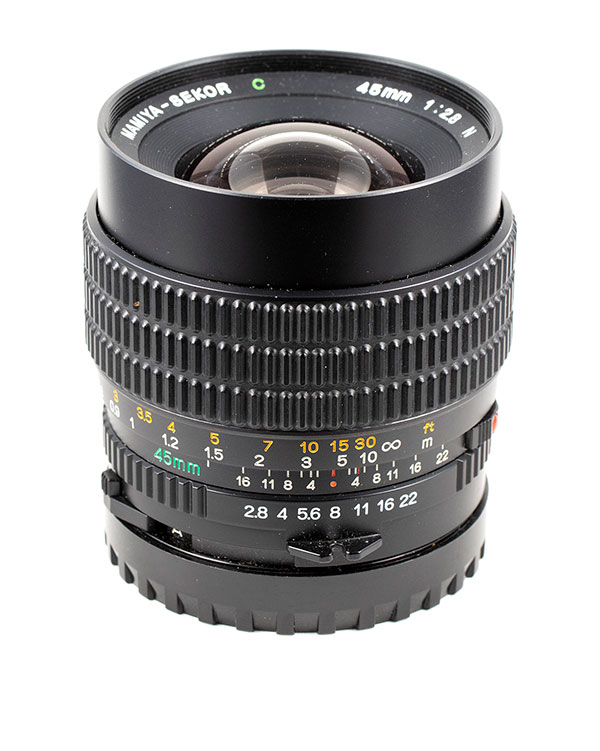
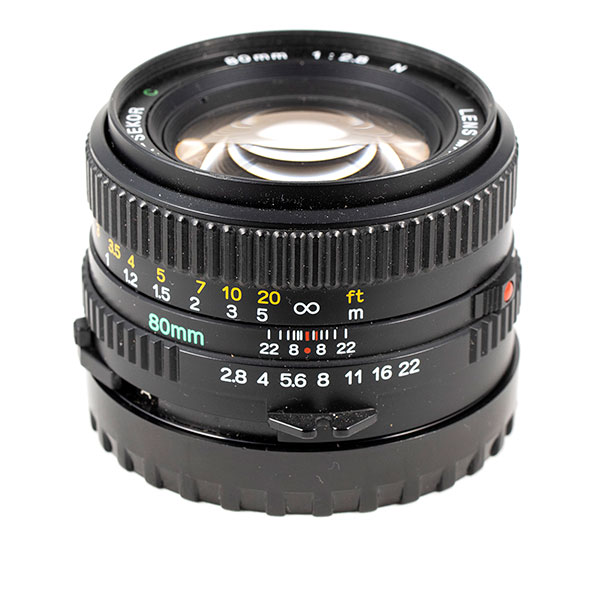
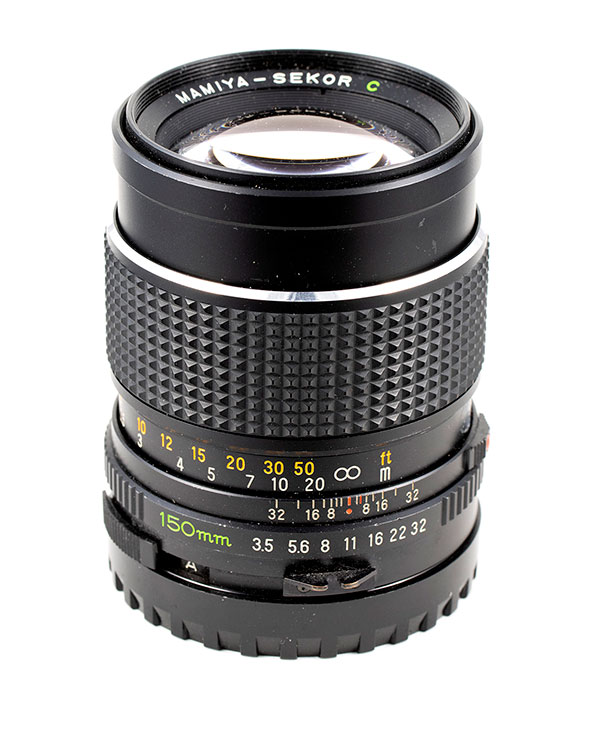
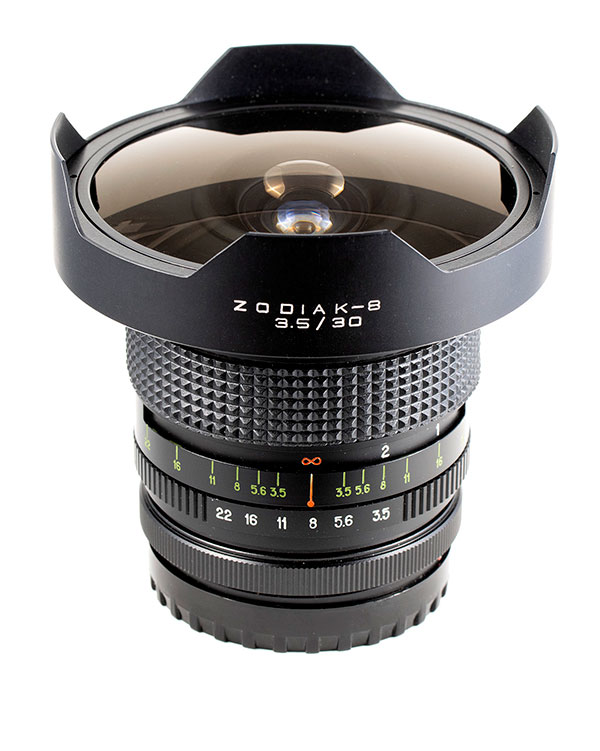
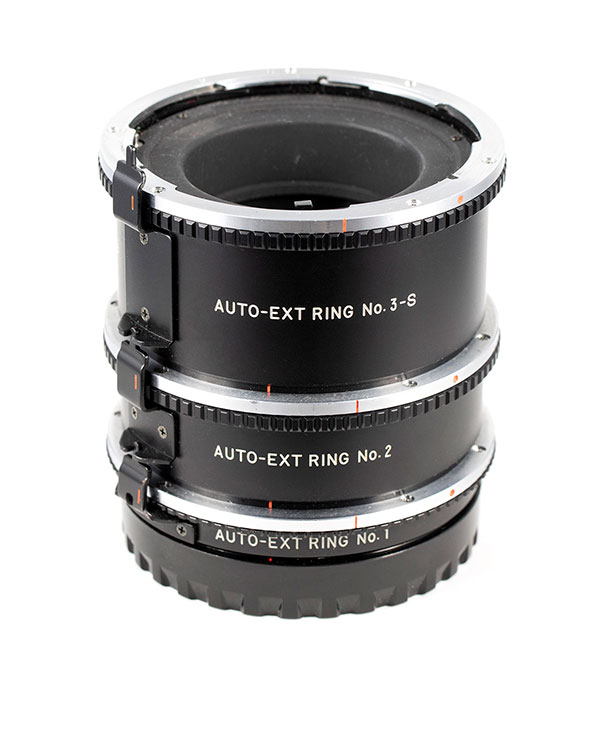
Lenses for Mamiya 645 cameras
All text and photographs on this website (other than found-photography and otherwise noted) are © 2014-2021 Steven Broome. All rights reserved.
 Vintage Camera Digest