

Kodak’s roots go all the way back to 1878 when 24-yr-old George Eastman began experimenting with gelatin dry plate emulsions. Dry plate emulsions were more convenient than the standard “wet plate” emulsions of the time – as they allowed the photographer to “expose now and develop later”. Wet plates needed to be coated and exposed while still wet, and processed immediately. Thus, the wet plate photographer had to carry around a wagon load of darkroom supplies and gear. Dry plate photography was truly a game-changer.
The name “Kodak” was first put into use in 1888, and the No. 1 Kodak camera was put on the market. It sold for $25 and had enough film for 100 photographs. After using, the camera was returned to Kodak for film processing for an additional $10. This was the beginning of the “You push the button – we do the rest” mantra of Kodak photography.
In 1888, $25 for a camera and $10 for processing would be considered a not-insignificant sum of money. In today’s monetary terms, that would be approximately $780 and $312 respectively – nearly $1000 for 100 photographs. It wouldn’t be until 1900 when the first Brownie cameras were released that photography would be available to the masses. The camera sold for $1 and the film for it was 15-cents. Today that would translate to about $32 and $4.70, respectively. No longer would our beloved craft be reserved solely for the professional or wealthy hobbyist. Kodak’s influence on the worldwide spread of photography for everyone simply can not be overstated.
| More Kodak Resources |
|---|
| Kodak Milestones (PDF) |
| History of Kodak Cameras (PDF) |
| Retina Reflex S (PDF) Sales Brochure |
Further contributing to this influence, Kodak made a lot of cameras in addition to their film. My 2001-2002 edition of McKeown’s Cameras lists 824 distinct camera models in the Kodak section. I’ve heard it said (and I’ve probably said it myself) that Kodak was really in the film business and their cameras weren’t really that special. And while a lot of their cameras were indeed rather simple (think box cameras and Pocket Instamatics), they did manufacture a ton of well-featured models. The Medalists and Chevrons still fetch a respectable price, as well as the highly regarded Retina models.
If you’re keen on reading more about the company, Kodak Milestones (available here as a PDF) is a detailed history of Kodak from the company’s inception up through 1976. It’s an interesting read.
Also available here as a PDF is the History of Kodak Cameras – a rather extensive document laying out production years and original prices for just about every camera Kodak ever produced.
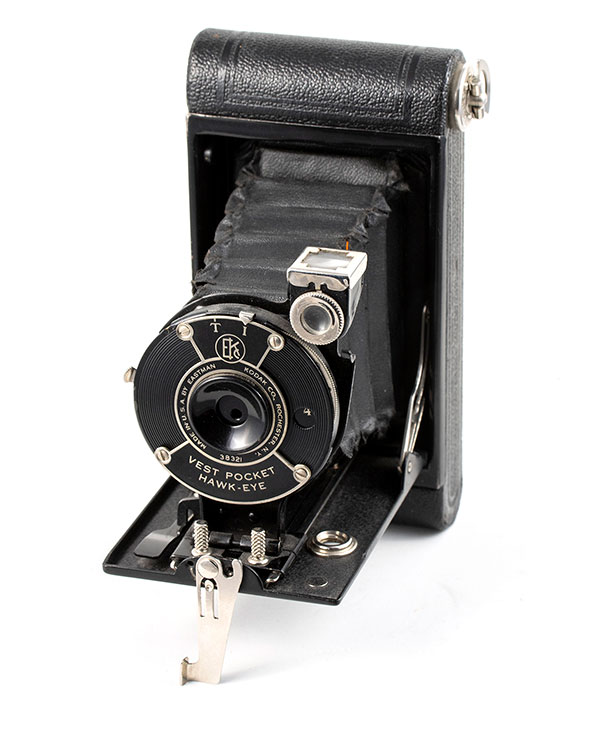
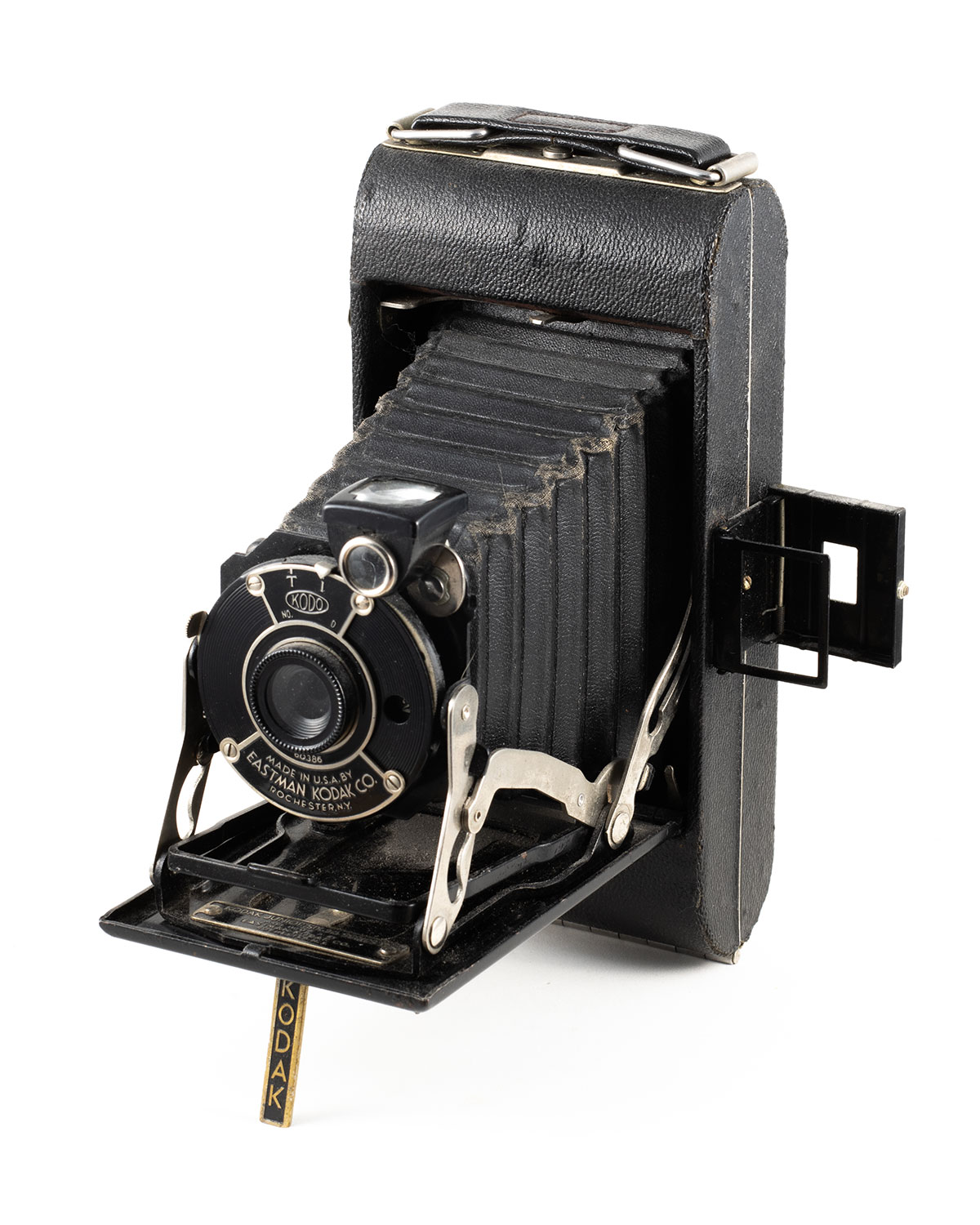
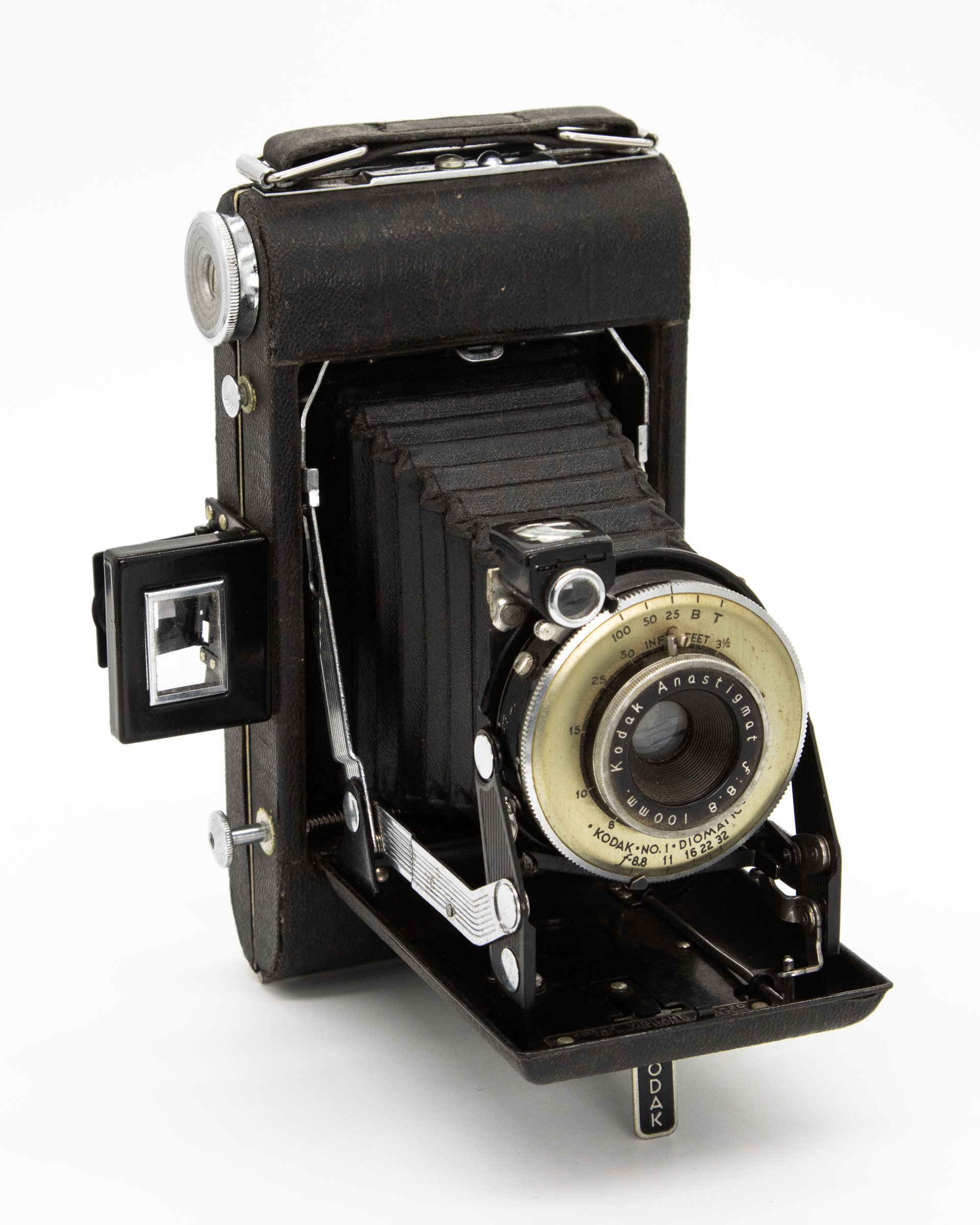
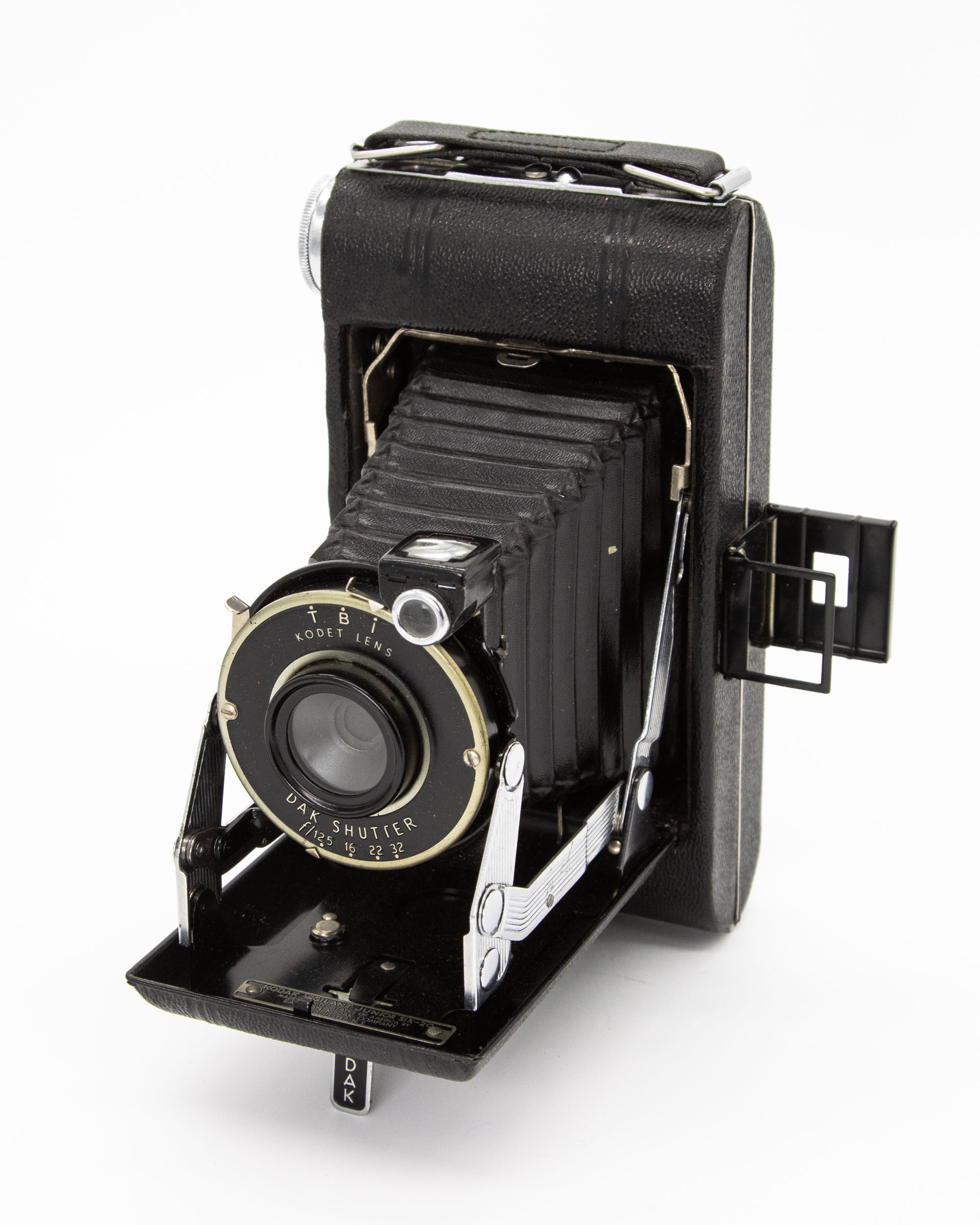
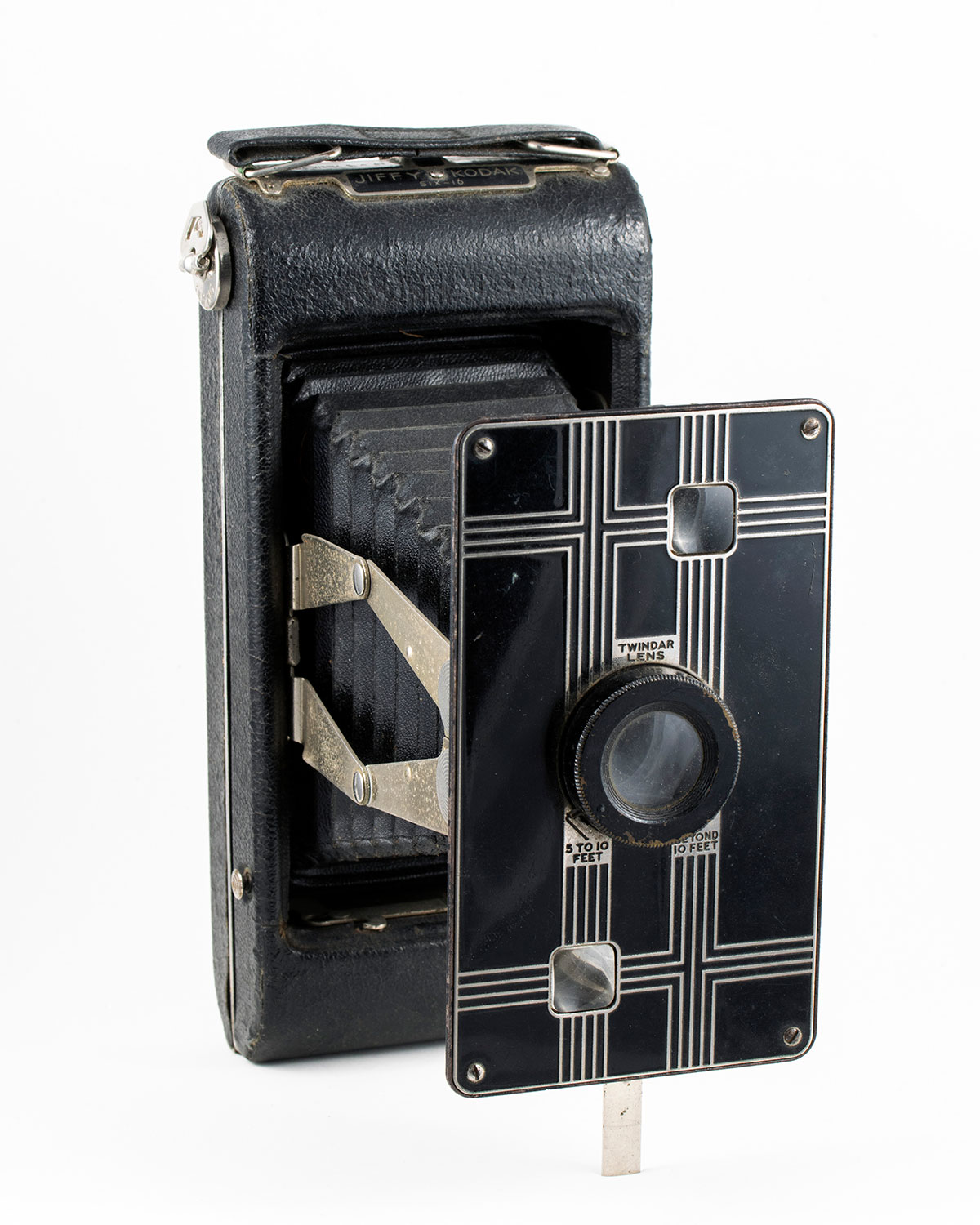
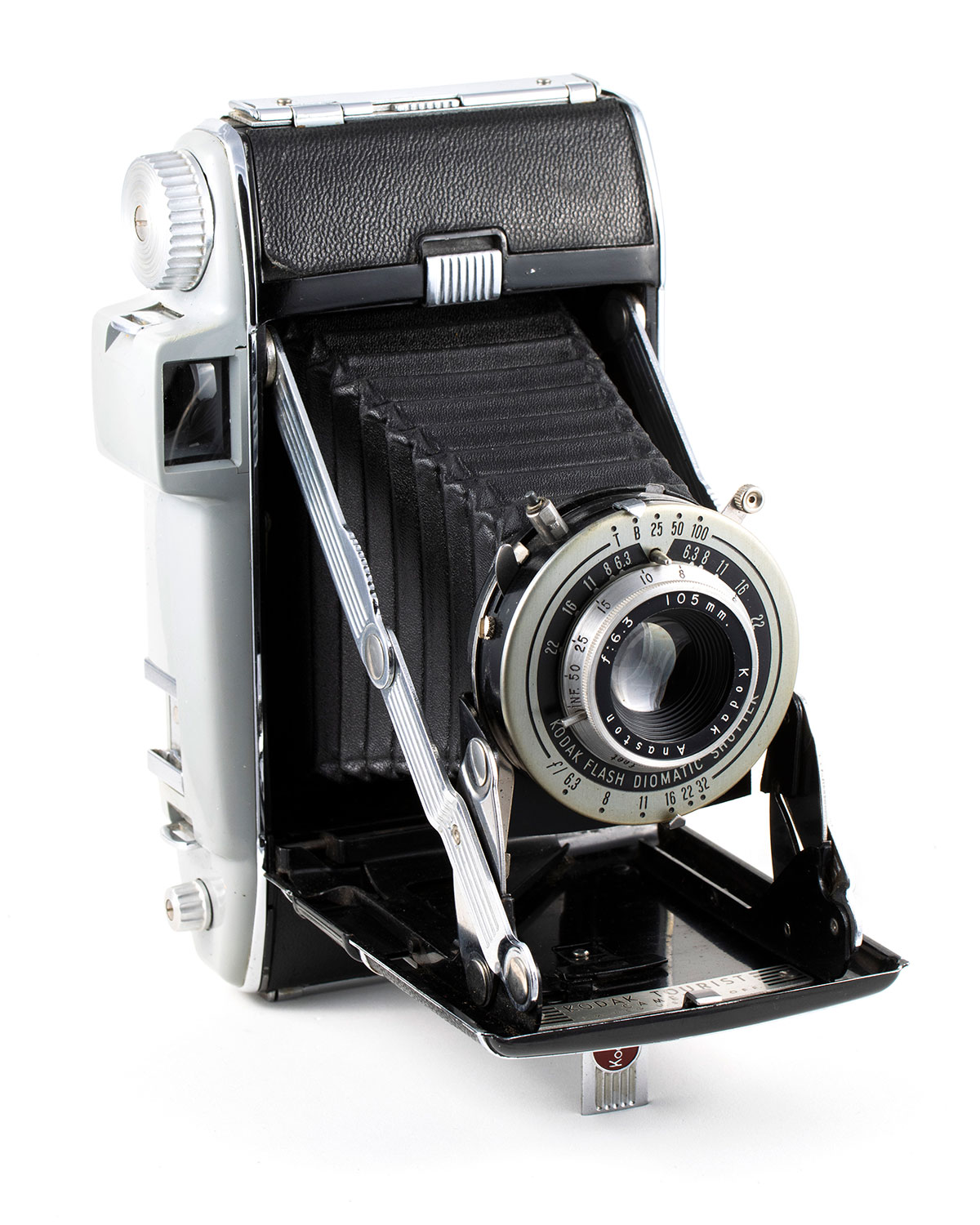
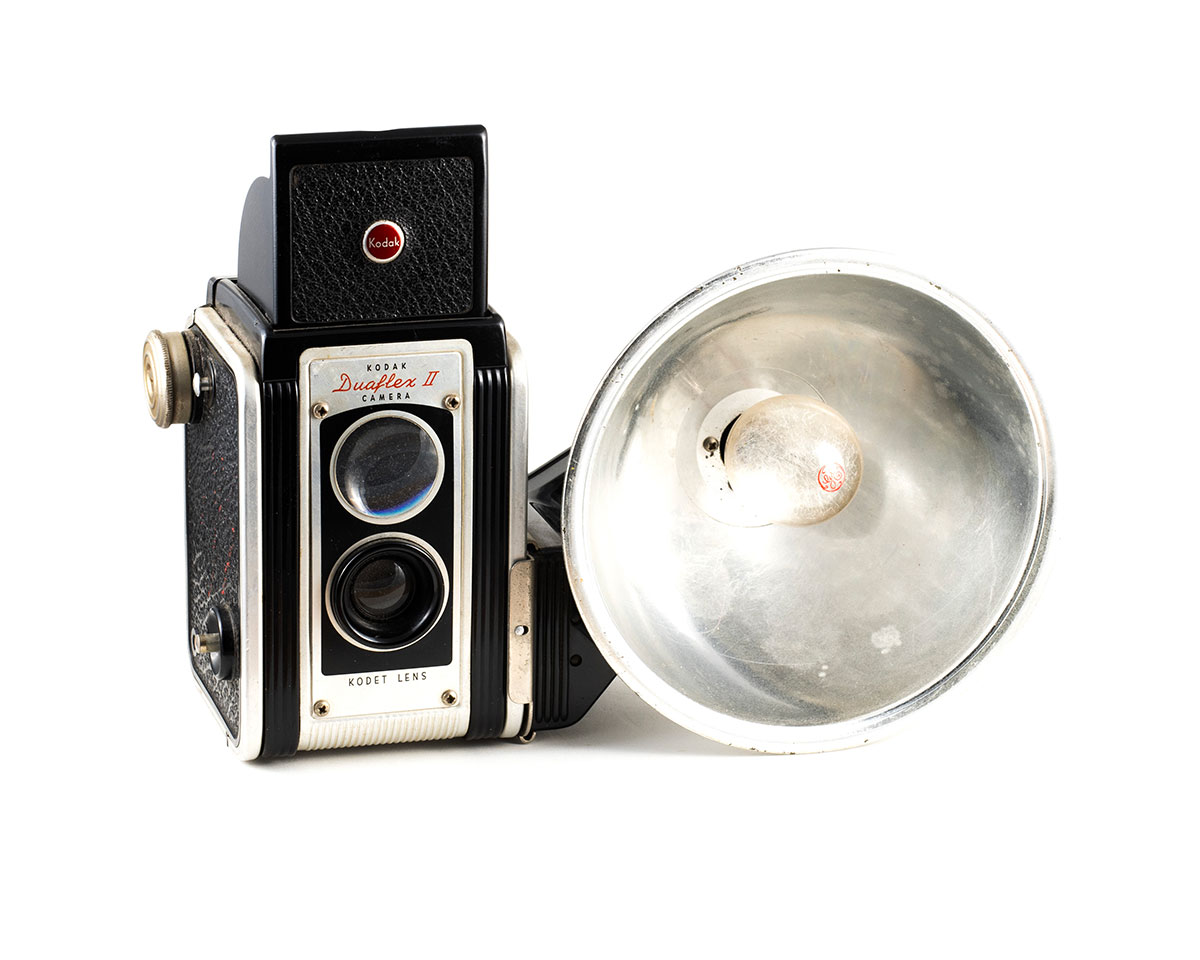
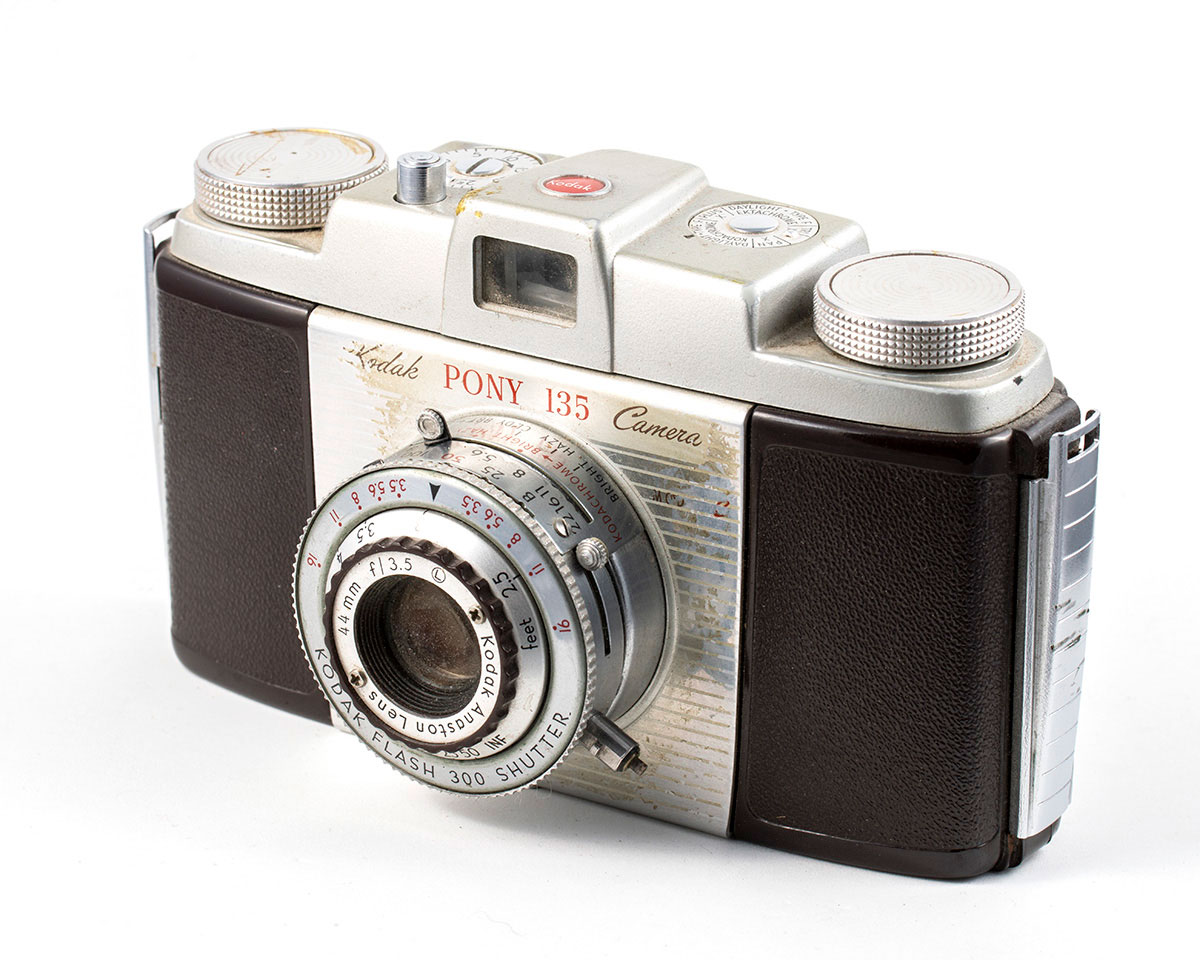
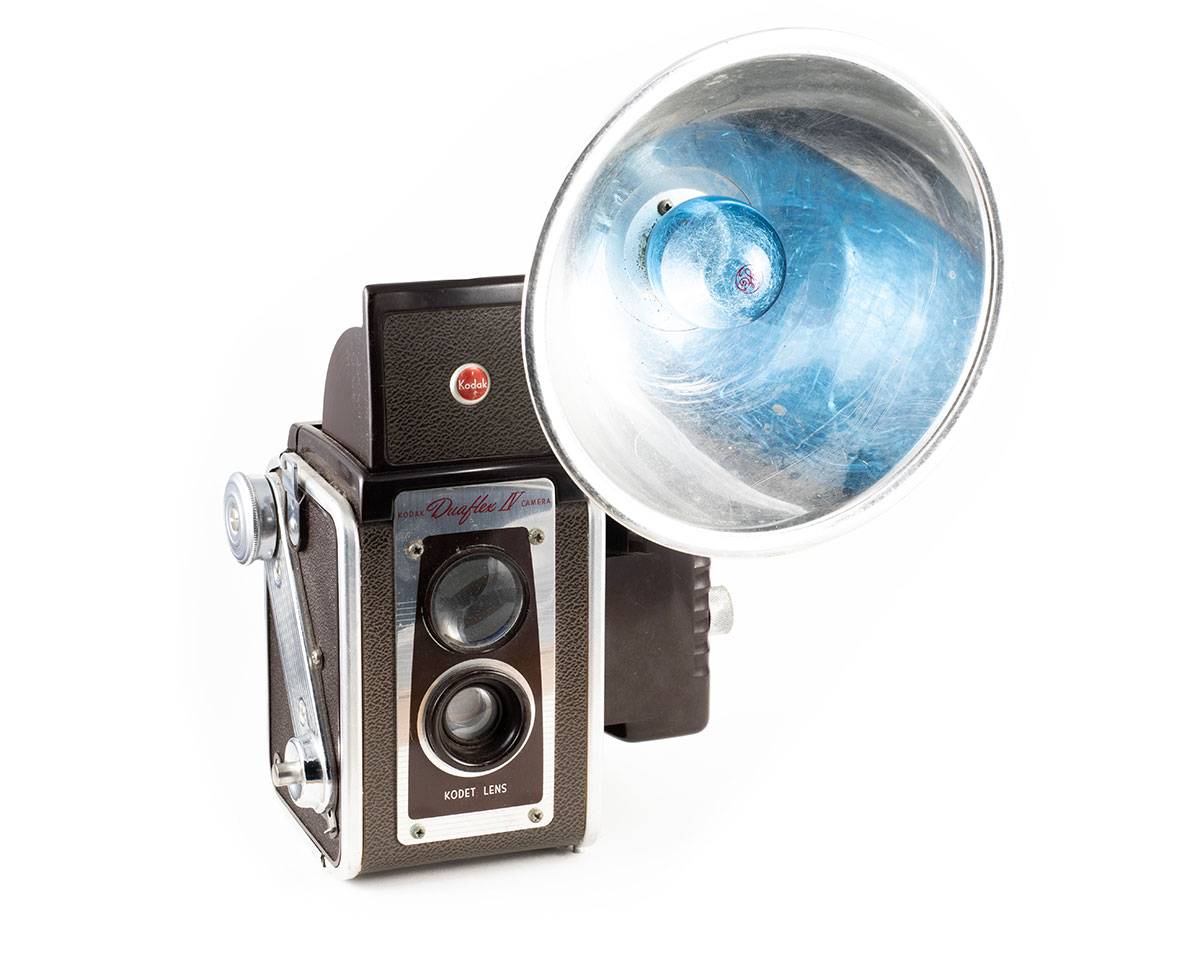
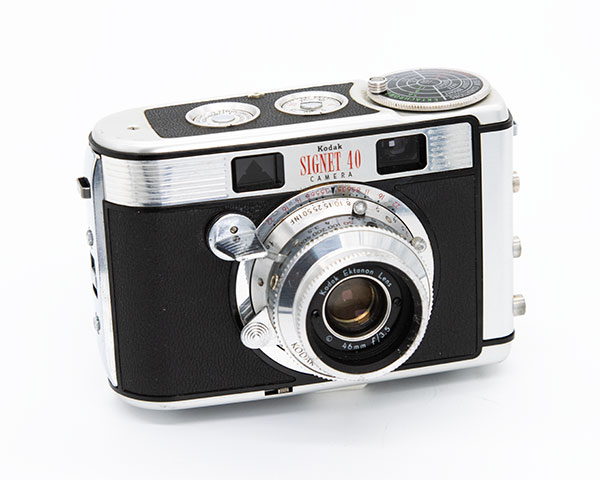
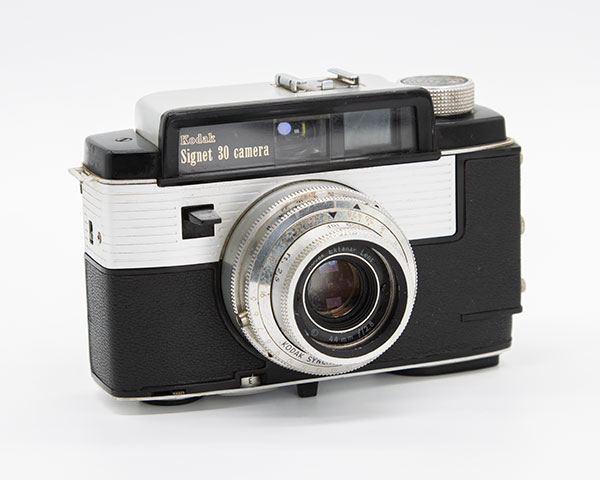
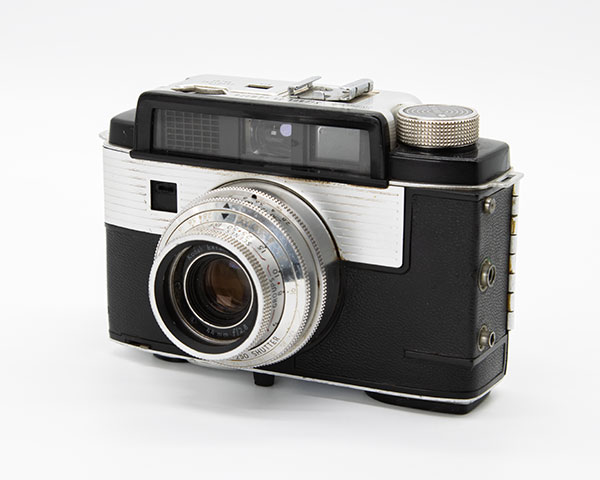
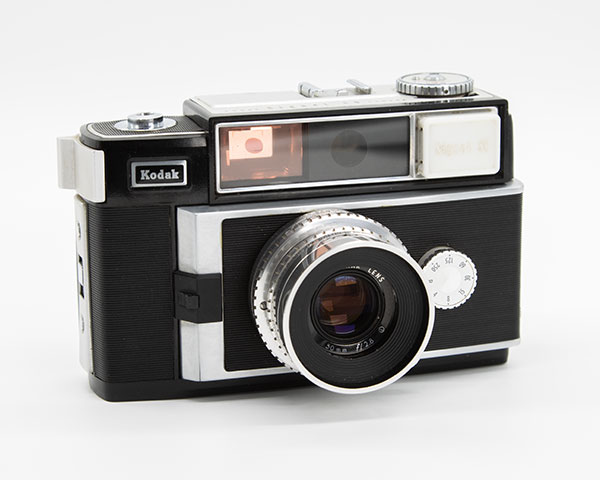
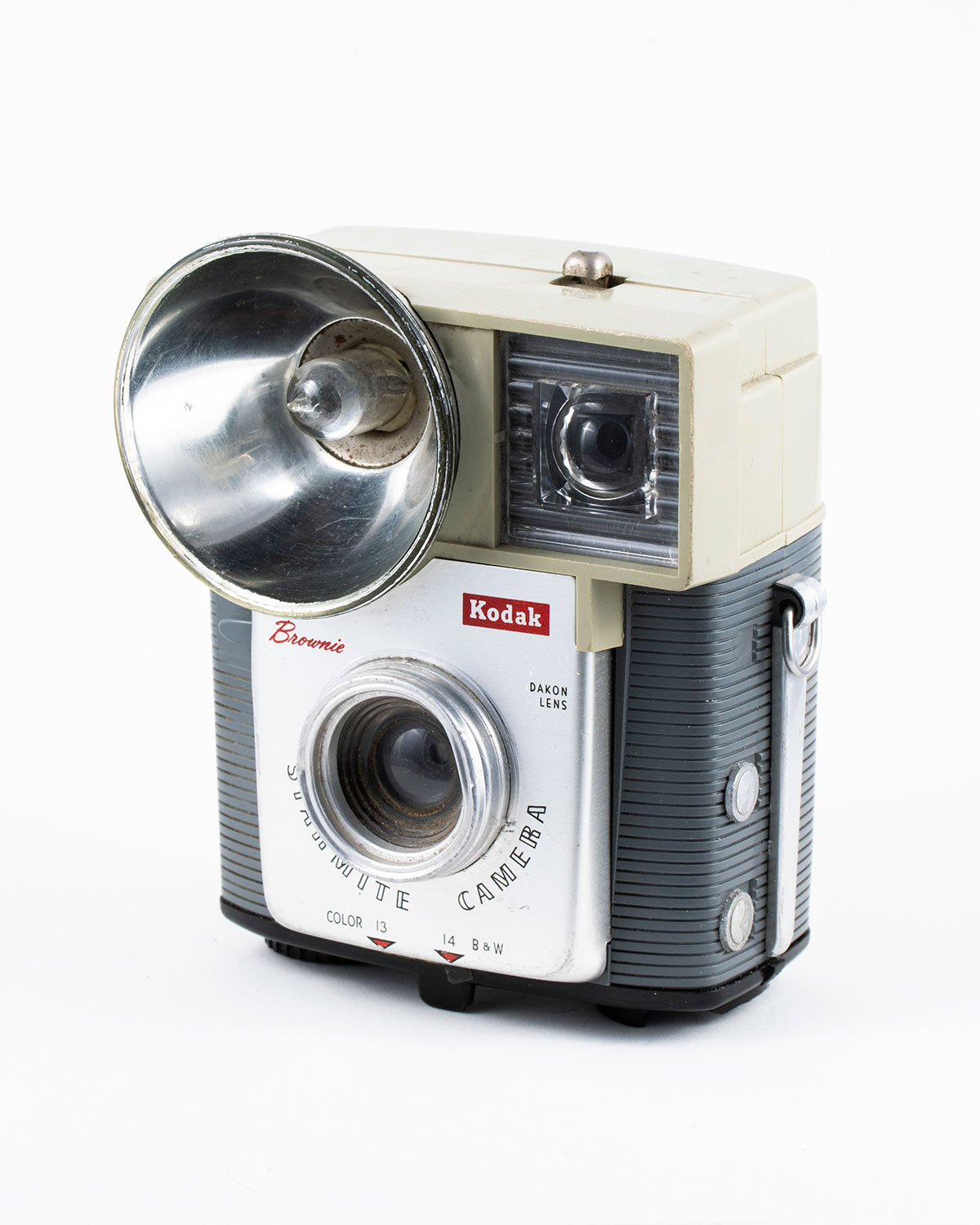
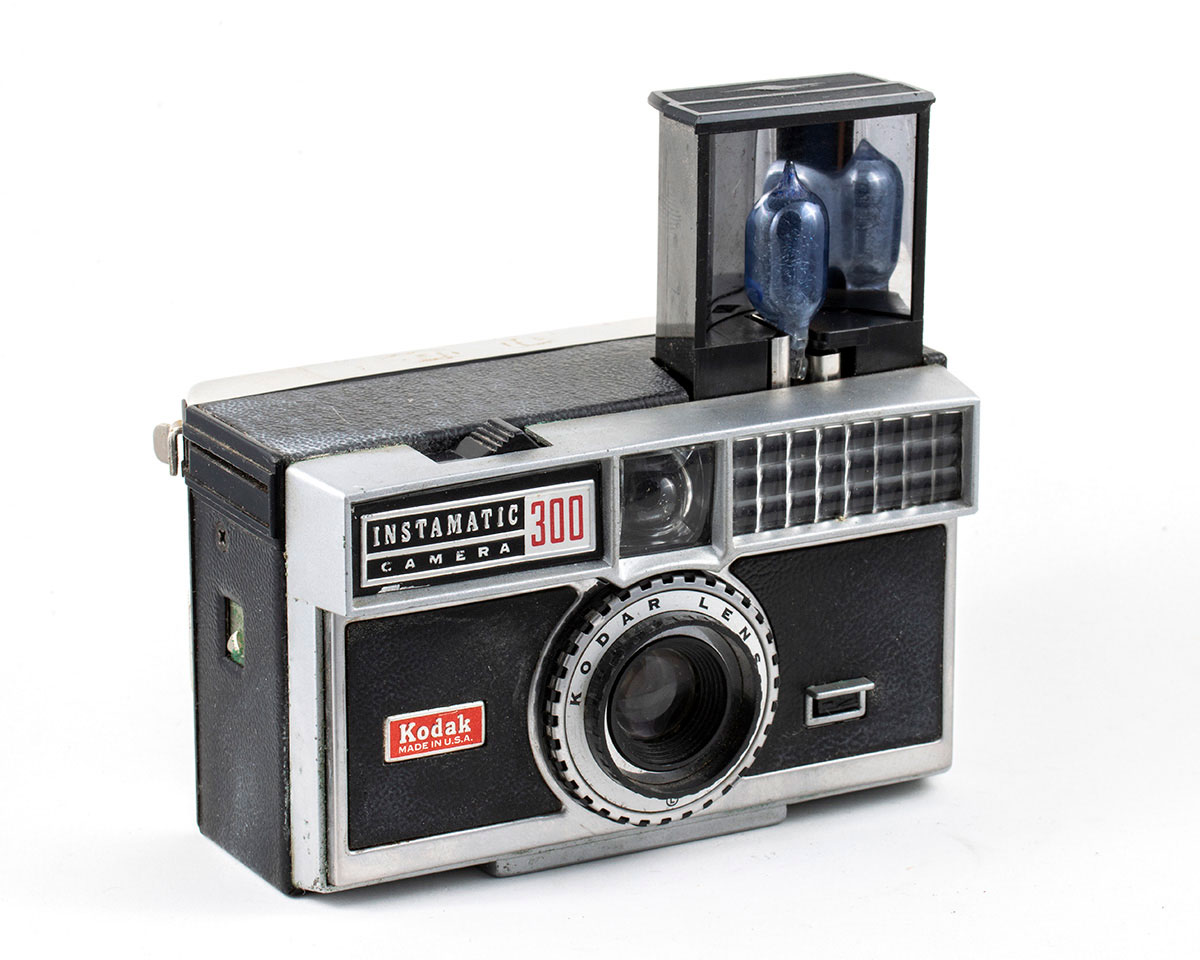
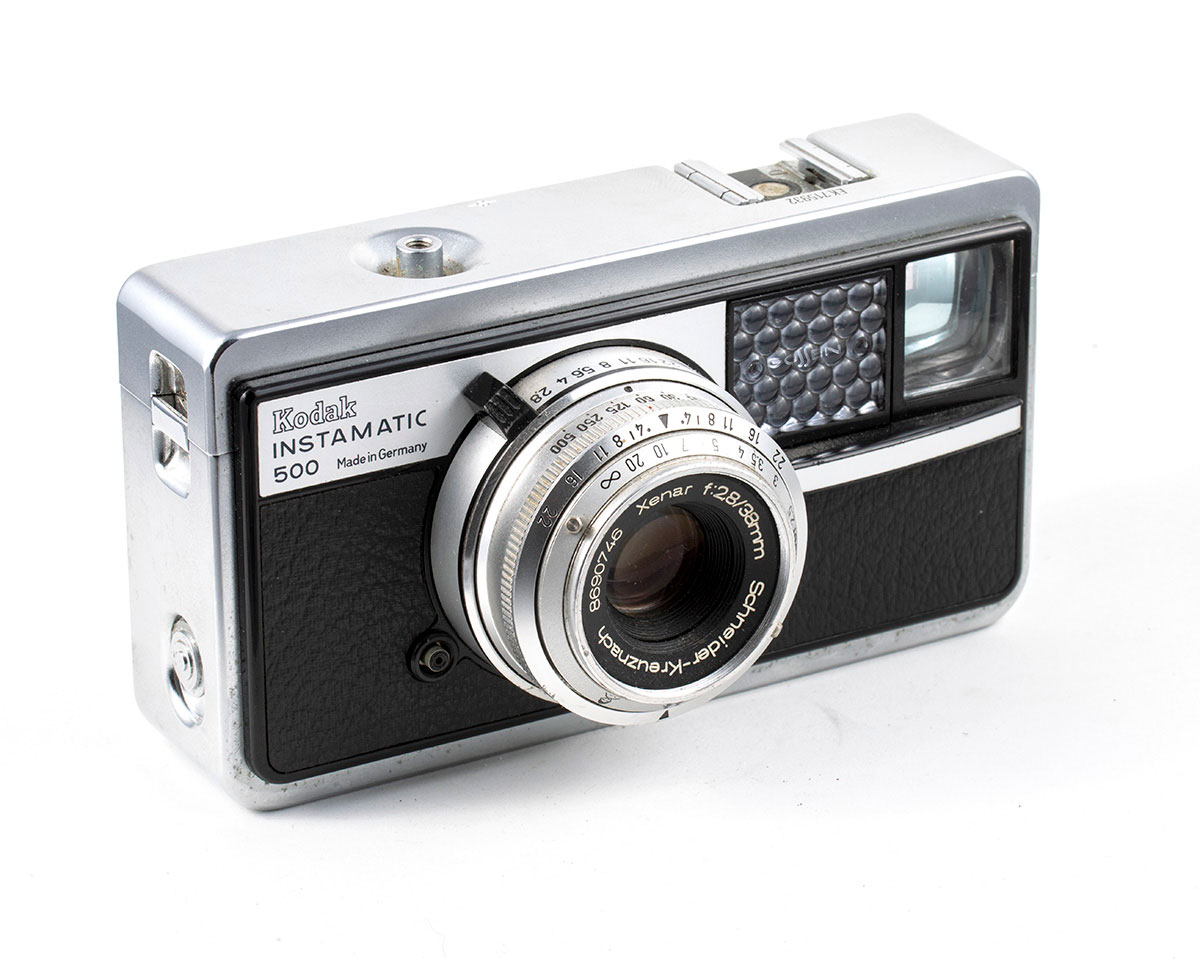
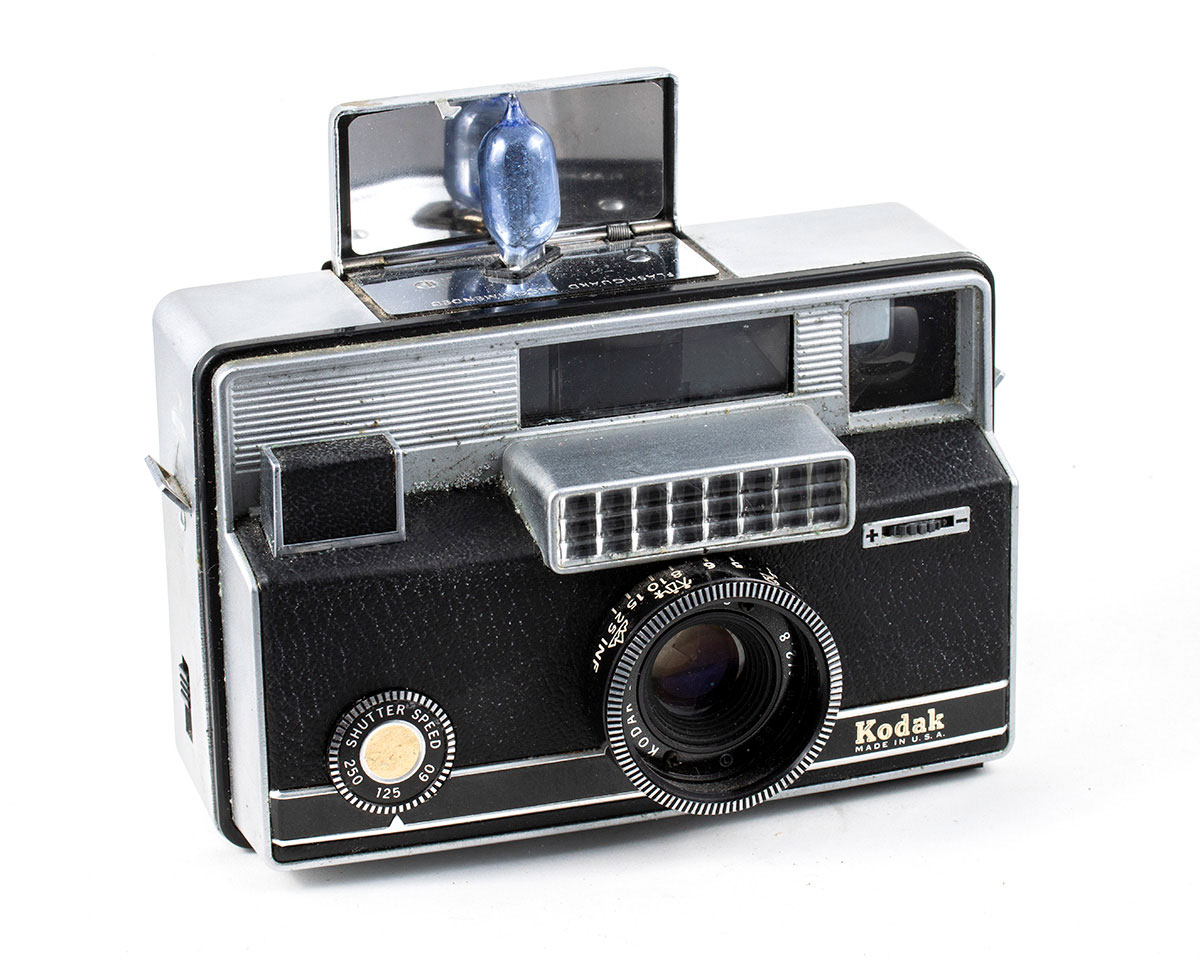
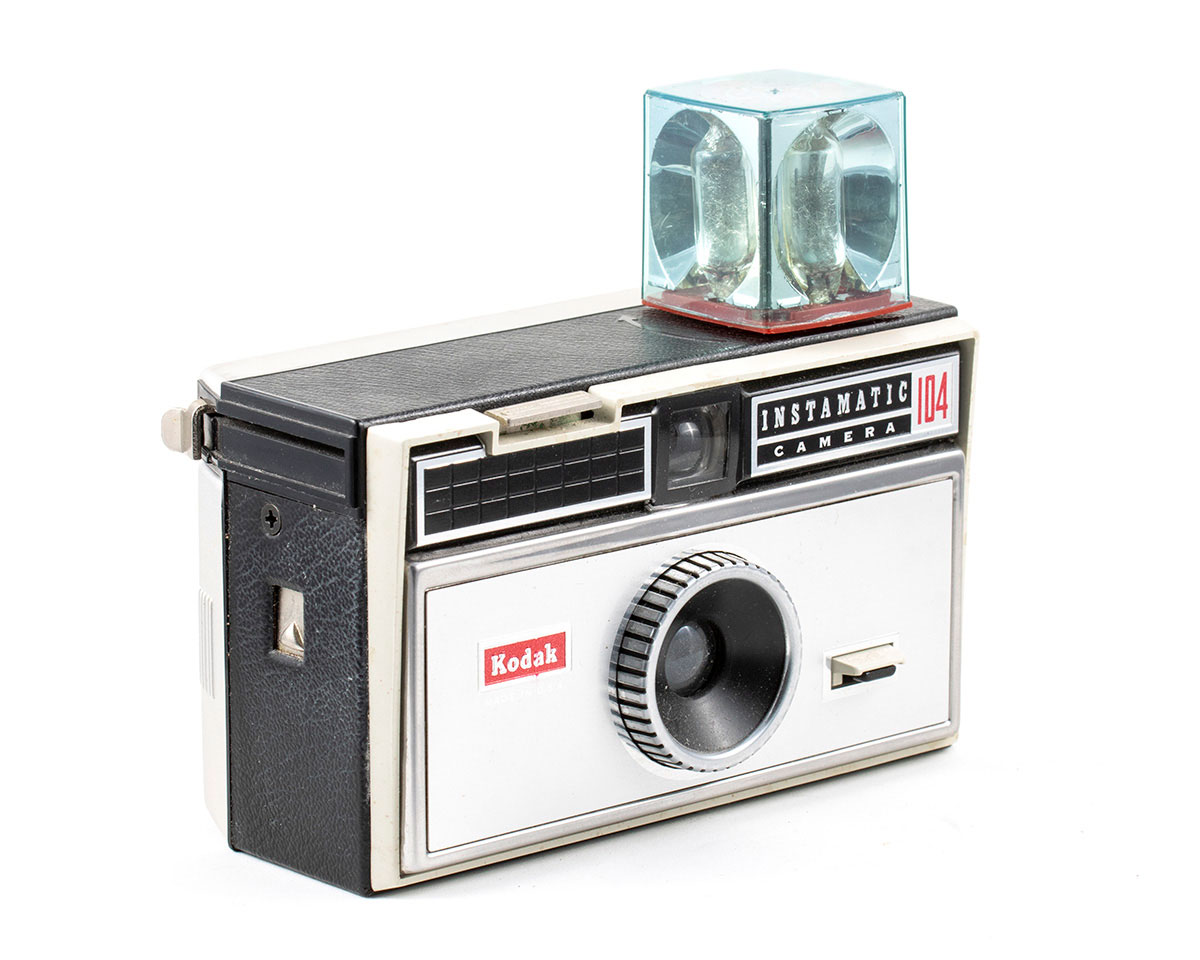
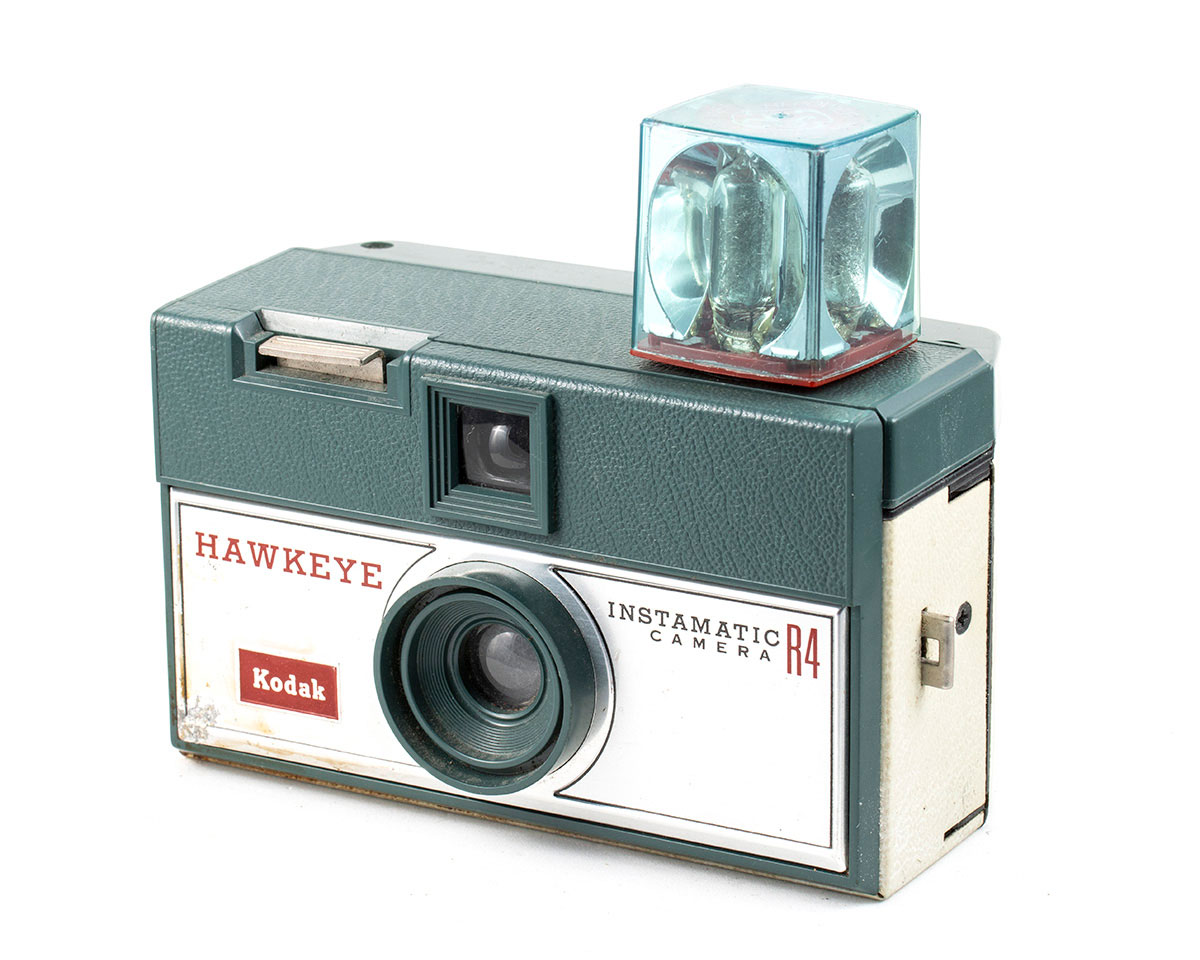
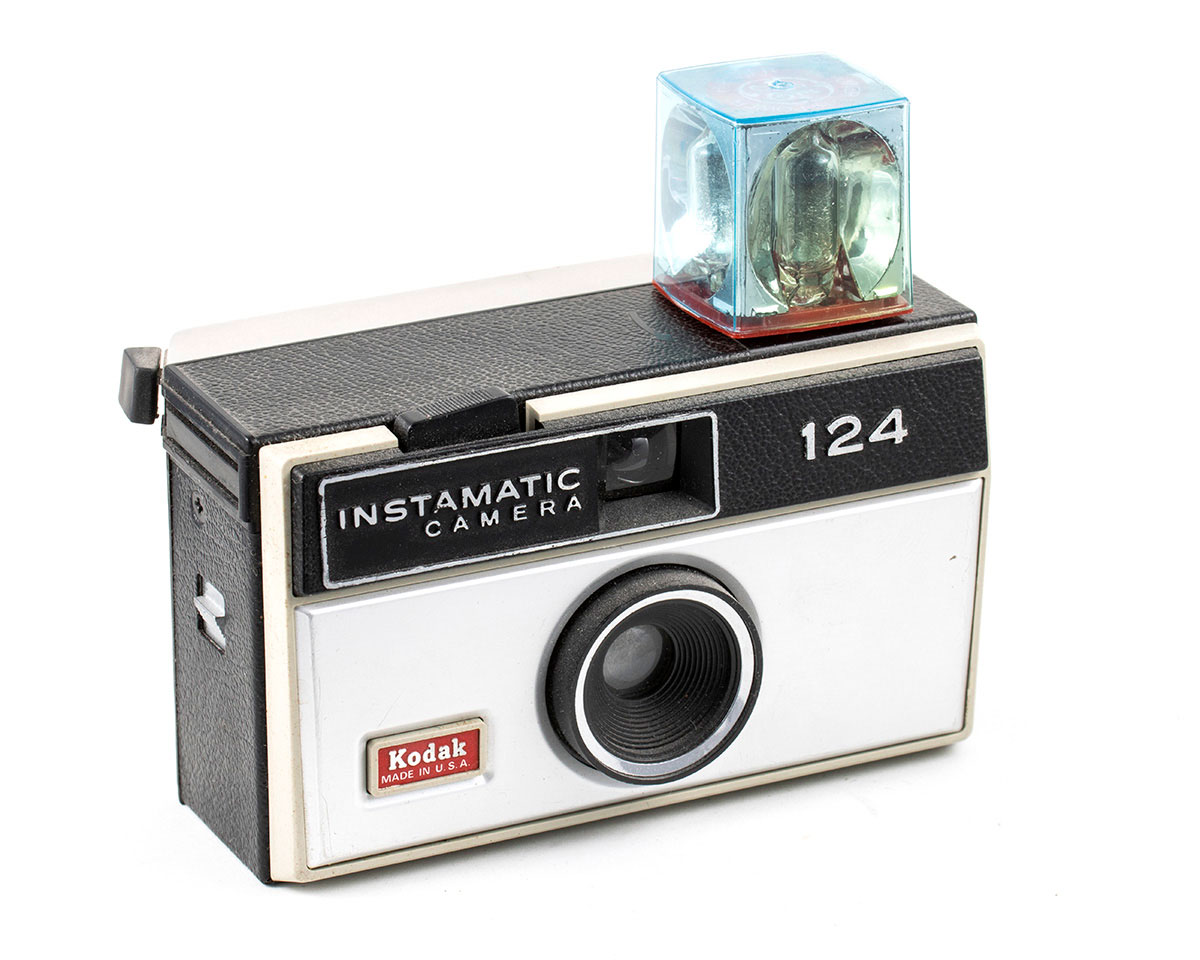
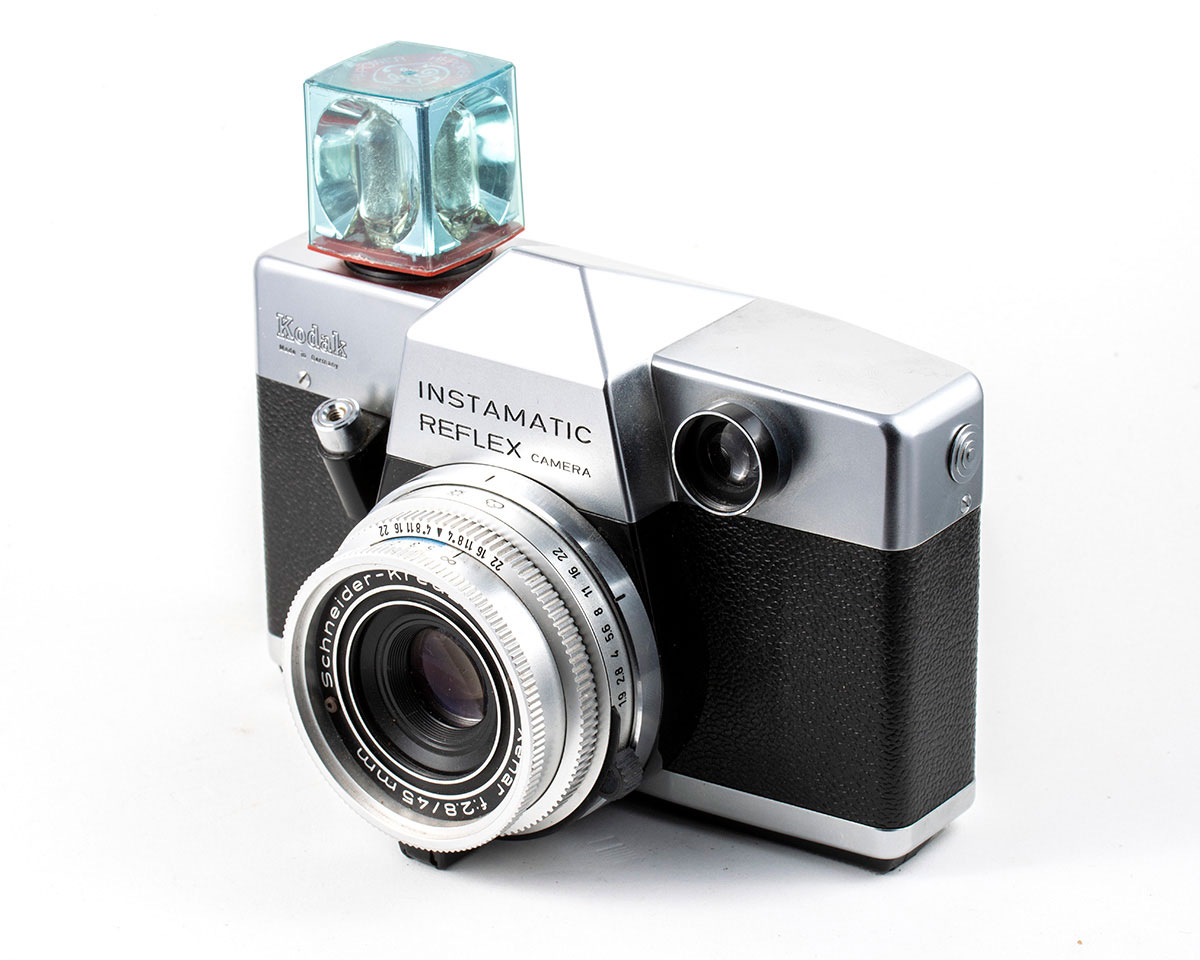
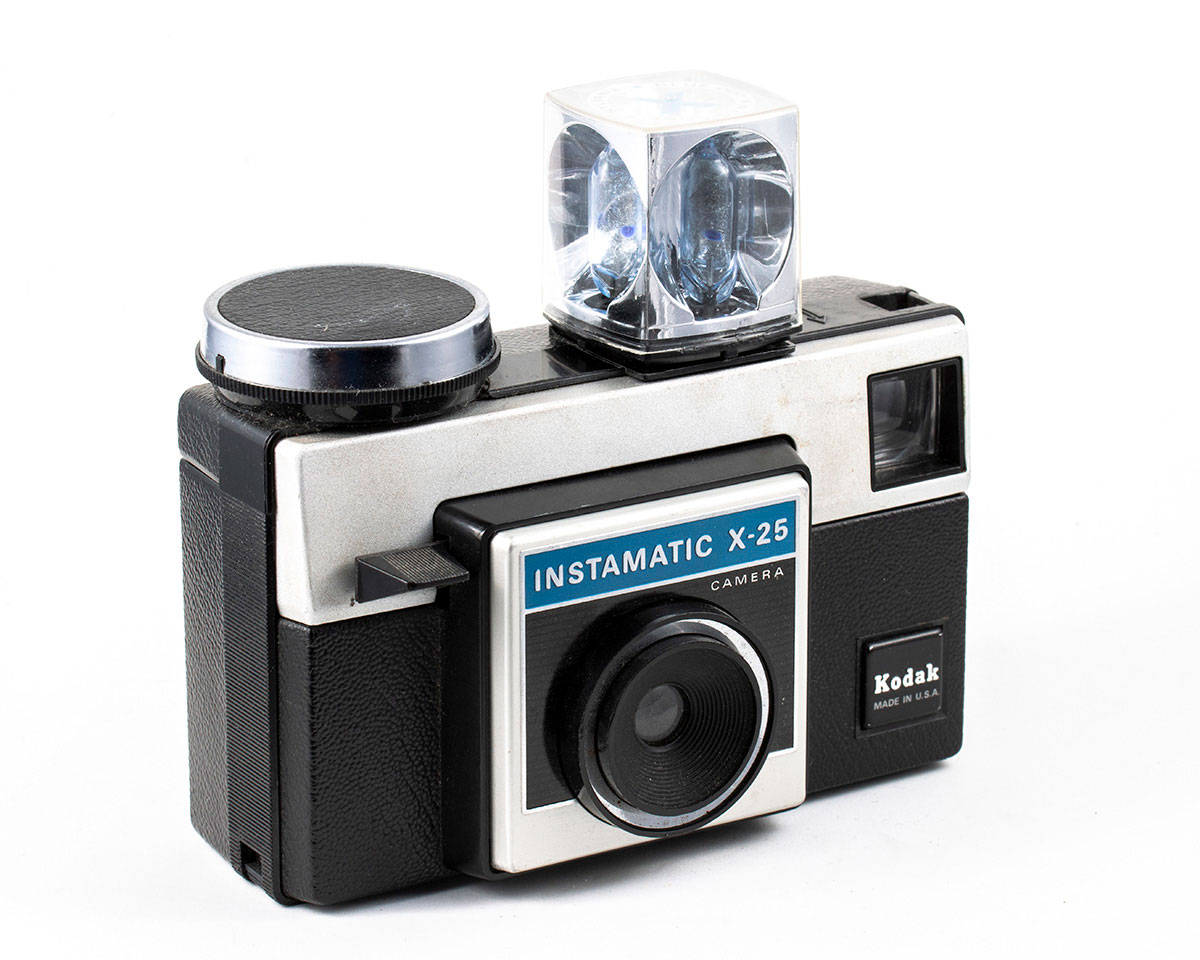
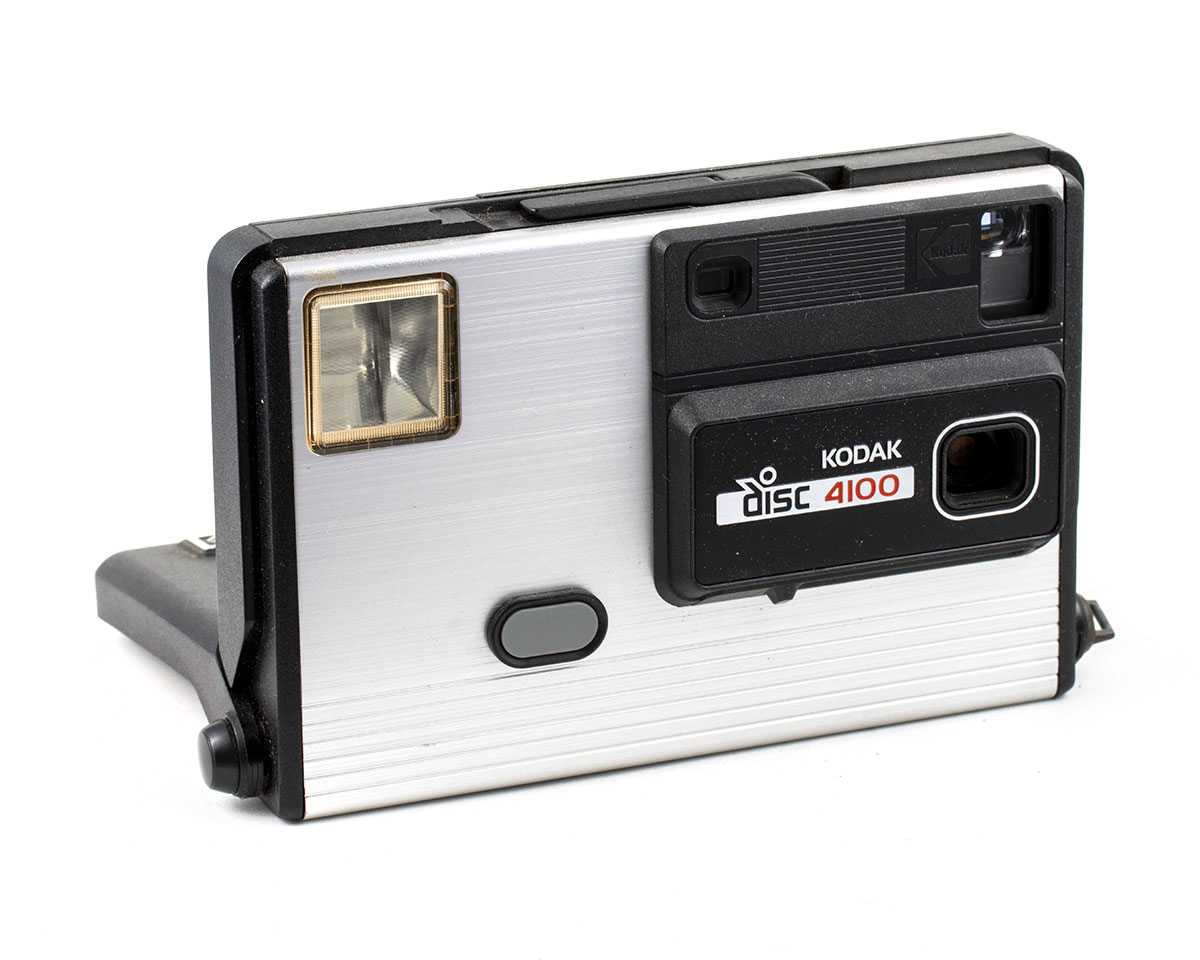
Kodak cameras in my collection
I think you could spend a lifetime collecting Kodak cameras and still not have them all. So my puny list below is nothing special. If you’d like to know more about many of the specific models – including specs such as date released, film-type and original pricing, I recommend checking out Walter Mangum’s Kodak Collector’s Page. It’s a great resource.
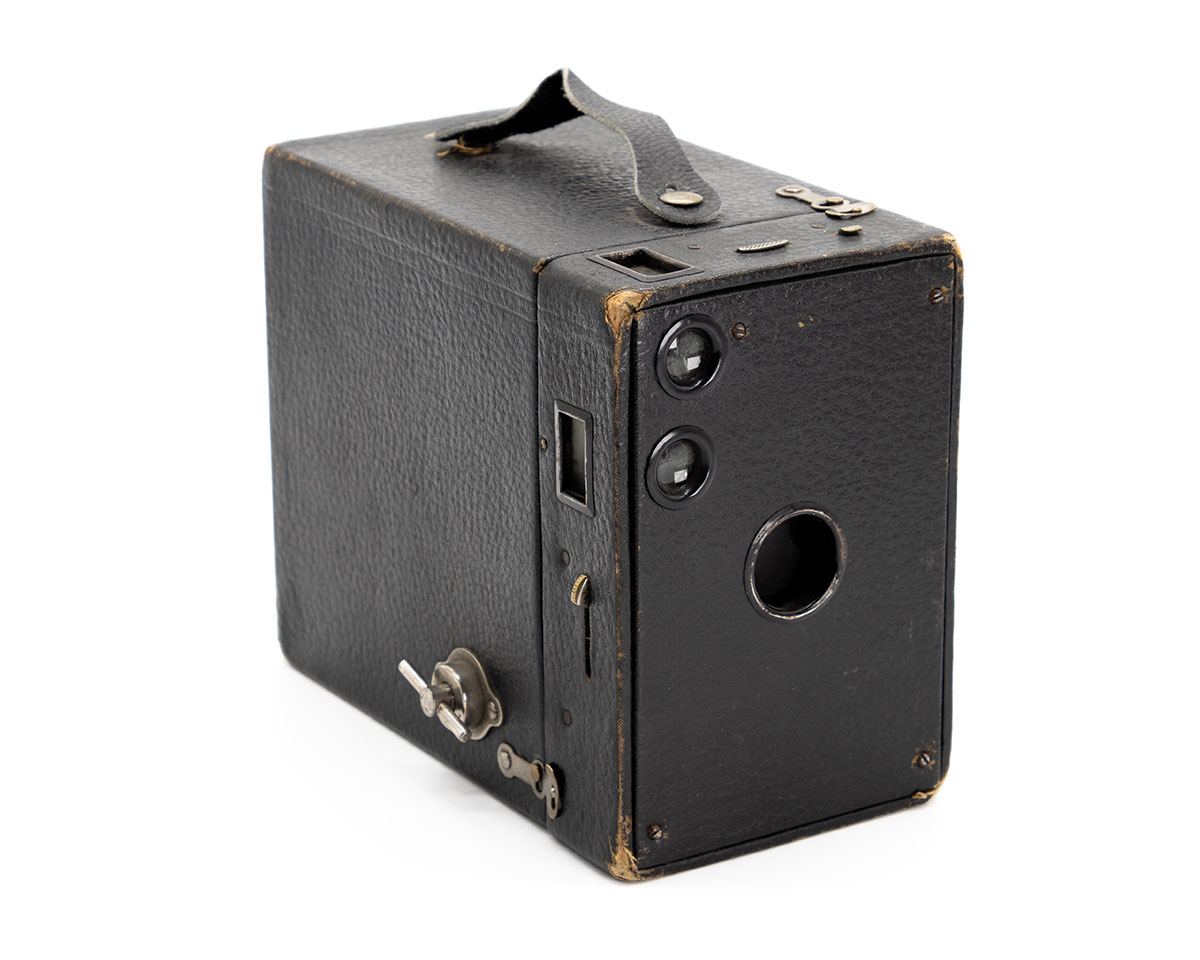
From the collection of Gordan Gerland











All text and photographs on this website (other than found-photography and otherwise noted) are © 2014-2021 Steven Broome. All rights reserved.
 Vintage Camera Digest