

Back in 1986 when camera manufacturers were still trying to figure out what to do with the “new” auto-focus thing, Canon decided to go all in on a new flagship FD-mount camera – the T90. Related to its other T-Series siblings in practically name only, the T90 set the stage for camera design that is implemented by nearly all makers of modern cameras. We can thank the T90 for the ergonomic bodies of today, and probably most importantly, the input dial control feature that is now ubiquitous.
Besides the trend-setting design, it also packed quite a punch with pro-level features such as a built-in, fast (for the day) motor drive, 1/250 flash sync, and probably the most useful feature of all – multi-spot metering. This method of metering lets the user take a light reading from up to 8 different spots, then combines those readings for an exposure that covers them all. It’s not too dissimilar from the matrix – or multipattern/evaluative – metering methods we have today. The big difference, however, is that the multi-spot method allows the user to choose which areas get metered, as opposed to a set pattern. Another advantage of multi-spot is that since all the spots get averaged, the user can actually assign more weight to a certain spot by metering it more than once. And in use I find this method of metering extremely accurate. I mean it’s pretty hard to mess it up. And it makes me wonder why it wasn’t available on more cameras than it was. To my knowledge, only the Olympus OM-3, OM-4, and Canon EOS 3 and EOS 1V offered this besides the T90. Knowing what I do now, if I were shooting slide film back in the day, a camera with this type of metering would be a requirement for me.
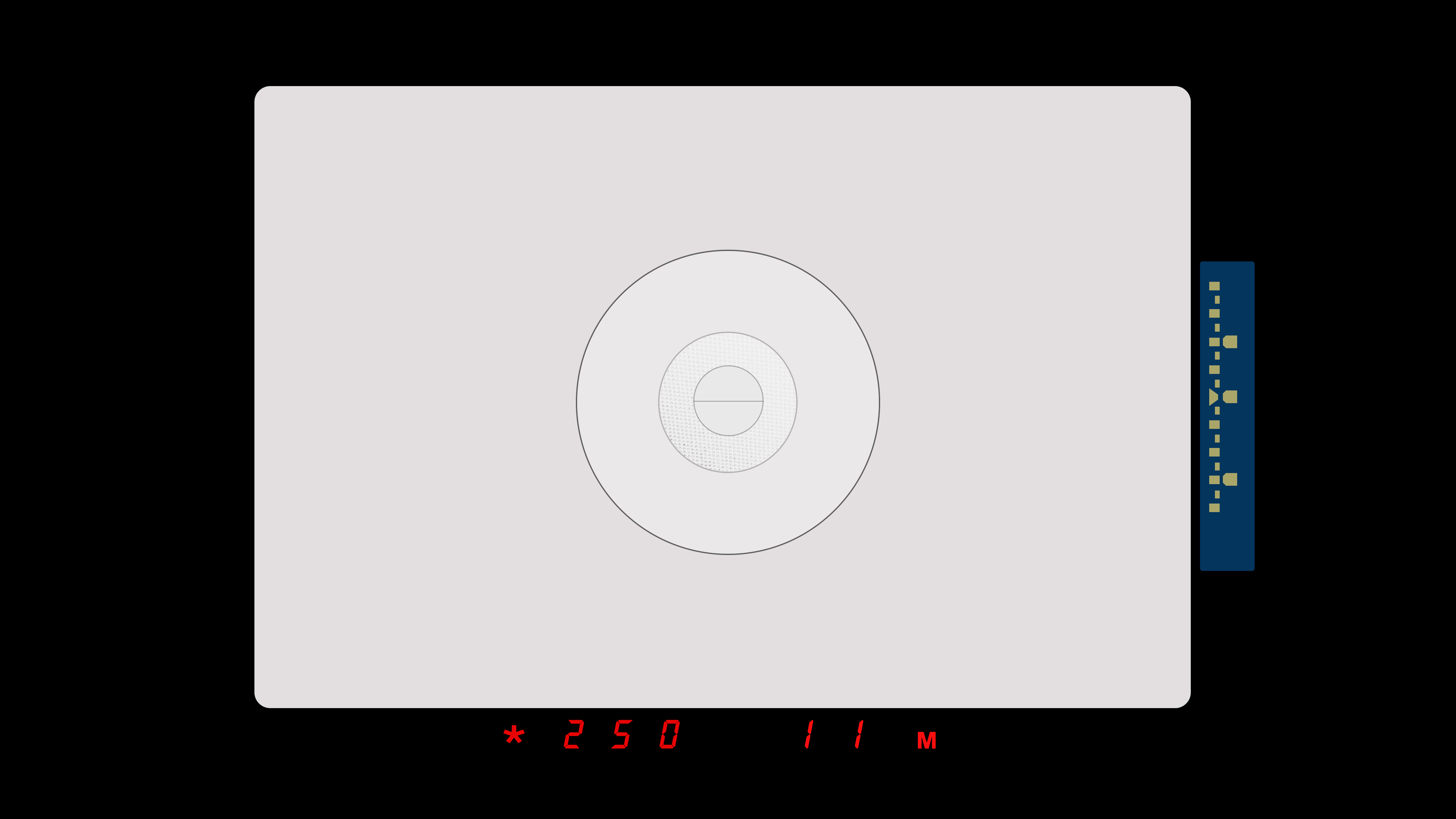
Besides the awesome metering capabilities, the T90 seems to be built to withstand about all the abuse you could give it. It’s solid as a rock. And the amount of information it provides you in the viewfinder will necessitate a thorough study of the camera manual. If you’re not keen on the manual, you can check out my video where I go into detail about it.
Regardless of how great the T90 was, it had a short life-span. It debuted in 1986, and in 1987, Canon killed of the FD line with the advent of its auto-focus EOS-series – which borrowed more than a few design cues from the T90.
If you’re looking for a terrific camera body for your FD-mount lenses, I can’t recommend the T90 enough. Just be aware that it’s a completely electronic camera with over 1,000 components that could go glitchy. So, be sure the one you find is in complete working order – or guaranteed to be. Prices seem to be quite reasonable at the moment.
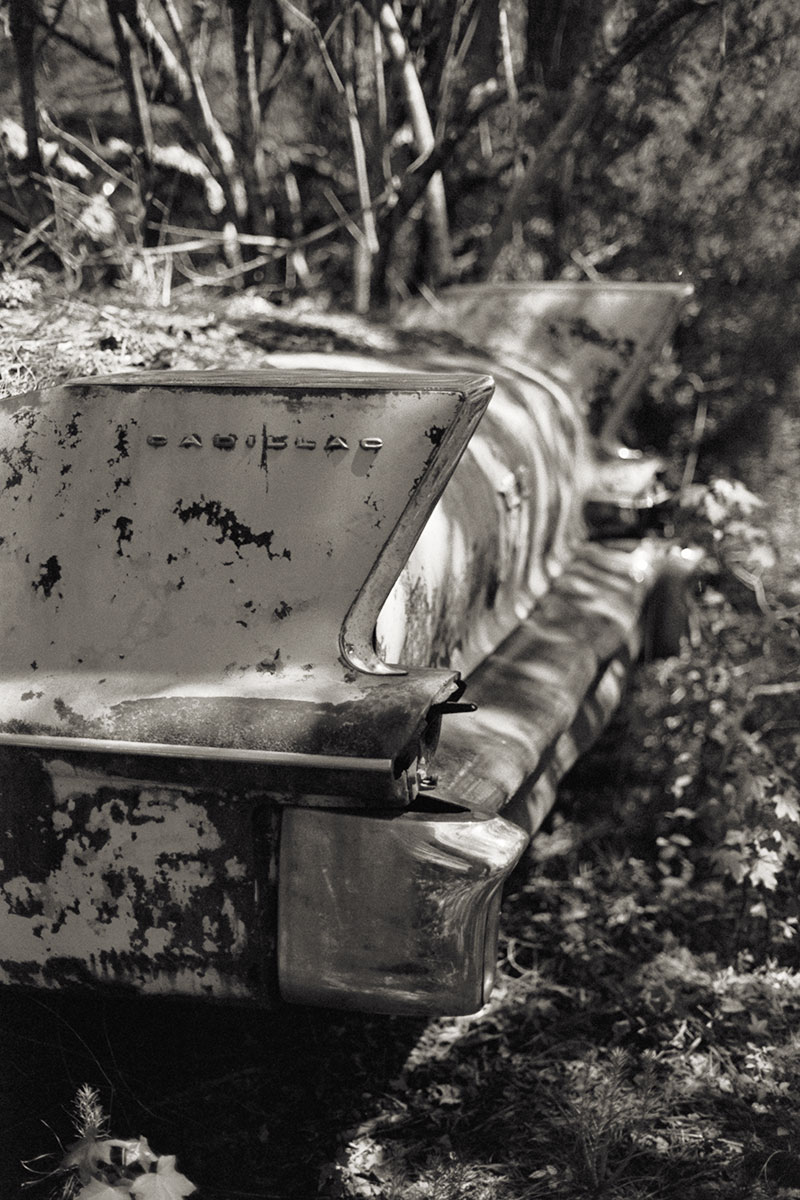
If you want a deep dive into the history and use of this camera, check out my video below. Also, check out the gallery that follows it for the results of the photo shoot at Old Car City in White, Georgia, USA. It’s a very cool place.





Tecnical Specs for the T90
Original List Price (1987): $399.50 body only
Price in 2022 Dollars: $1114.27*
Manufacturer: Canon
Model: T90
Year Introduced: 1986
Film Format: 35mm SLR
Lens: Canon FD, FL
Shutter: metal, vertical-travel, electronically-controlled
Self-timer: yes
Shutter Speeds: 30 secs – 1/4000, plus B
Shutter Release: on top
Built-in Meter: TTL – multi-spot, partial, center-weighted
Film Speed/ASA Range: 6-6400
Flash Sync: 1/250
PC Terminal: no (good grief)
Film Advance: built-in
Frame Counter: In LCD
Exposure Modes: Manual, Aperture-Priority, Shutter-Priority, Variable-shift Program, Stopped-down AE
Finder: full information
Focusing Screens: center split-image, 7 other options
Mirror: quick-return
Battery: 4-AA

 Vintage Camera Digest