

Once upon a time, rangefinder cameras were King. The revolutionary Single Lens Reflex (SLR) wouldn’t really come into it’s own until the early 60s. And if you shot 35mm film in those days, chances were pretty good that it was with a rangefinder camera. But even after SLRs began to take over the 35mm market, there were several manufacturers that continued to produce top-notch rangefinders. These cameras offered the convenience of 35mm film combined with lower price points (Leica notwithstanding) and simpler systems – since most had non-interchangeable lenses. The rangefinder user could be content carrying their camera in its ever-ready case – maybe with an extra roll of film in their pocket. Not much else was needed. One of the more well-known manufacturers that offered such great cameras was Yashica.
 Yashica had been building rangefinders since 1958 and the Yashica 35. But, it wasn’t until they came out with the “Electro 35” series in 1966 that the company had a real hit on their hands. This camera evolved through four generations – up through 1973 with the “Electro 35 GSN”. And that’s the one we’ll be looking at here.
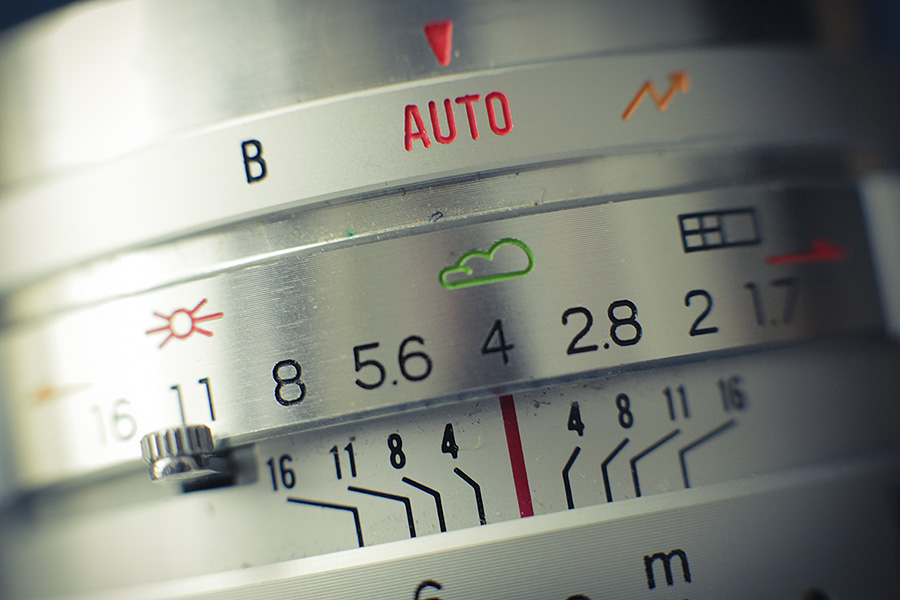 The camera offers the user fully automatic exposure using an aperture-priority system. This is basically all it has. It relies on a front-mounted CdS cell to co-ordinate the step-less shutter for the correct speed. There is no option for manual exposure. Add the fact that all this is powered by a now-obsolete mercury battery, and it almost adds up to a camera I don’t want. But only almost. Because when you hold it in your hands you recognize that it’s meant to be taken seriously.
The big problem of finding a suitable power source turned out not to be so big. There are some enterprising folk out there who love these cameras so much that they’ve developed adaptors using modern batteries to replace that nasty old mercury pack. And they’re reasonable in cost. So after getting my hands on one of these, I was ready and set to see just what the Yashica was capable of. Turns out I was pleasantly surprised.
Now there were a few things I had to get over. I love my modern cameras, and 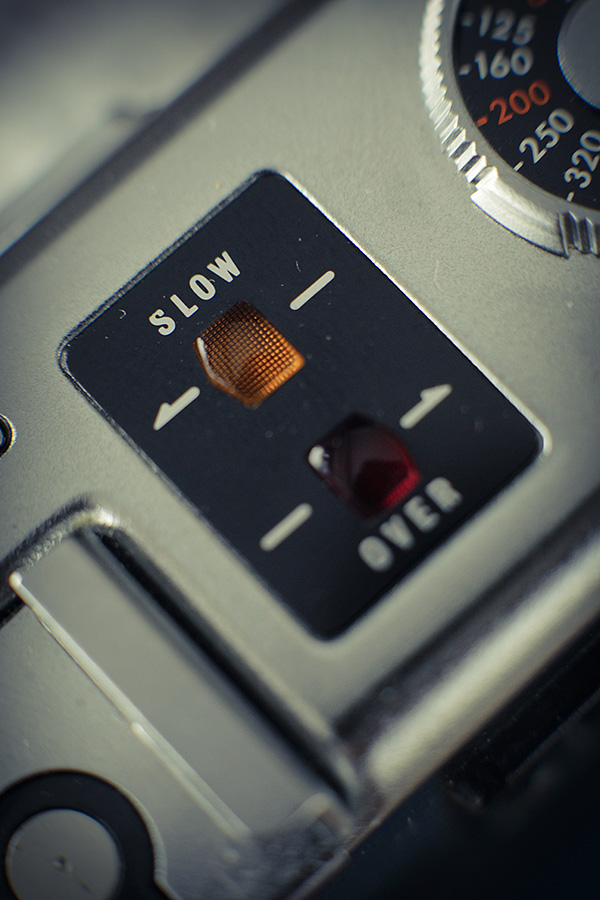 I’ll admit that they spoil me. One of the things I love most about them is that they display all relevant information in the viewfinder. This Yashica does not. Like I said before – it’s all automatic. The only bits of info I get in the viewfinder are warnings when the shot will be overexposed and when the shutter speed will be so low that the camera will require a tripod. You also get the same warning lights on top of the camera. But, that’s it. In the many cases where there will be no problem with the exposure, you will see no indicators whatsoever –so, not even one that shows that the exposure is good. You just have to trust it. And what I found from shooting a couple of rolls is that it’s pretty much ok to do that.
Another thing that bugged me slightly was the placement of the aperture ring. However, most rangefinder cameras with permanently mounted lenses are configured the same way. Specifically, they place the aperture ring toward the front of the lens barrel and the focusing ring next to the camera body. This is opposite of what you might find on a typical manual-focus SLR. And by habit I was constantly adjusting the focus when I intended to adjust the f/stop. This isn’t something I’m necessarily proud of because it lends credence to the “old dog, new trick” thing. But I figure I could get used to it with a little practice.
So, what are the things I like about the camera? Well, for starters it has a nice heft and feels like a “real camera” in your hands. And being a rangefinder, taking a photo is relatively noise-free since there is no mirror to move out of the way like there would be in an SLR. It’s easy to focus – just bring the two images together in the viewfinder, and you’ve got it.
And speaking of focusing – one of my favorite features is the automatic parallax correction. You compose your shot using the bright frame lines in the viewfinder. And as your subject gets closer, the frame lines actually move to correct for parallax down to 0.8 meters, or about 2.5 feet. Impressive!
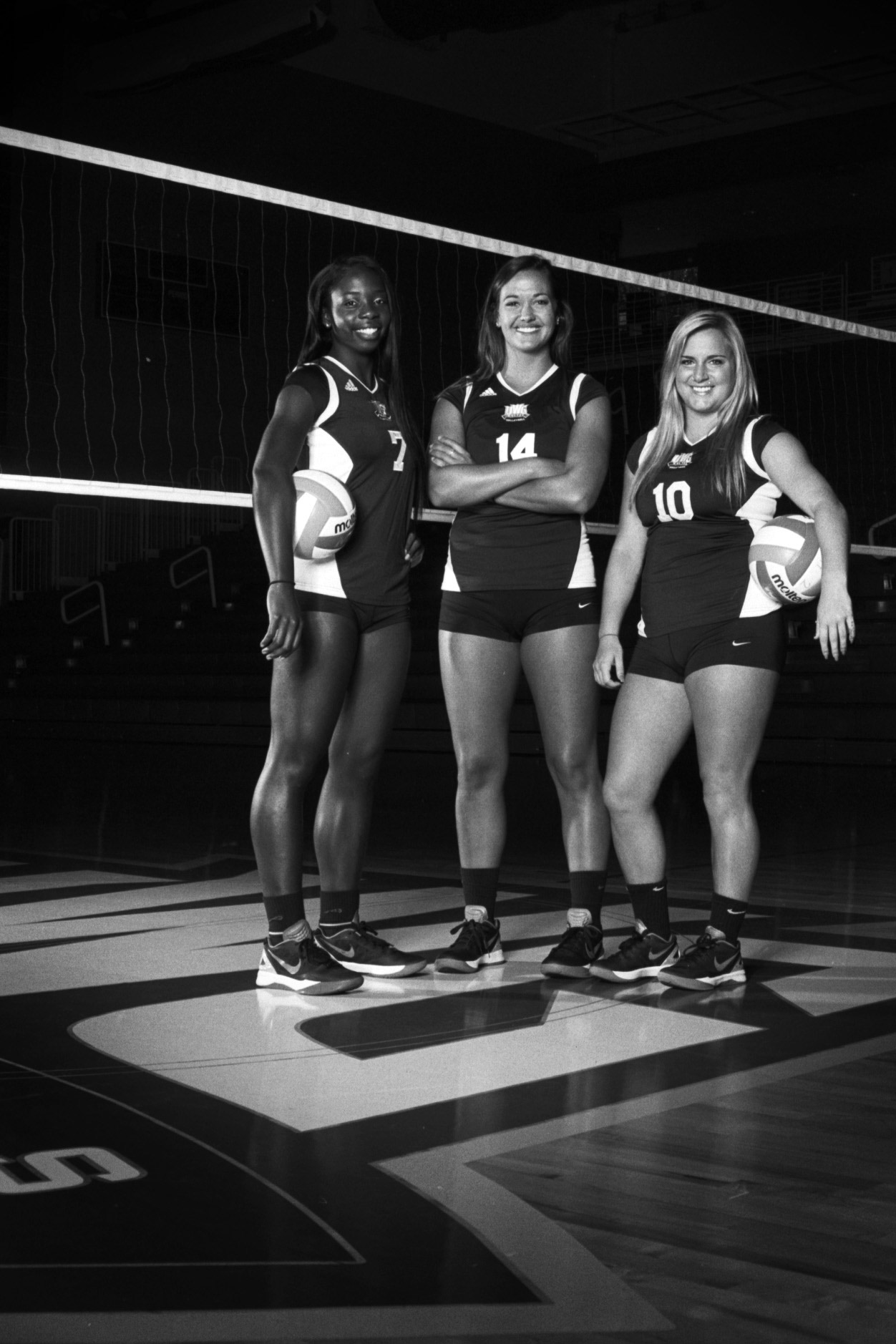
Camera: Yashica 35GSN; Film: Kentmere 100
Also available is a top-mounted hot shoe, as well as a side-mounted PC terminal for electronic flash. When using this you must move the camera’s exposure ring from “AUTO” to flash. This will, in effect, set the shutter speed to 1/30 of a second to sync with flash. This is a pretty slow flash-sync speed, but I shot a few frames at one of my recent shoots and had no problem with ghosting. But I was shooting in a cavernous arena where the ambient light level was minimal. My guess is that it would be a problem if trying to use fill-flash out of doors.
Another thing you will find in use is that, even though this is an automatic exposure-only camera, you can manipulate the aperture to achieve the approximate shutter speed you want. For example, rotating the aperture ring until the red “over-exposure” warning light comes on – then rotating it back until the light goes off – will render a shutter speed near the 1/500 second mark. So, if you need to shoot action there is a way to do it.
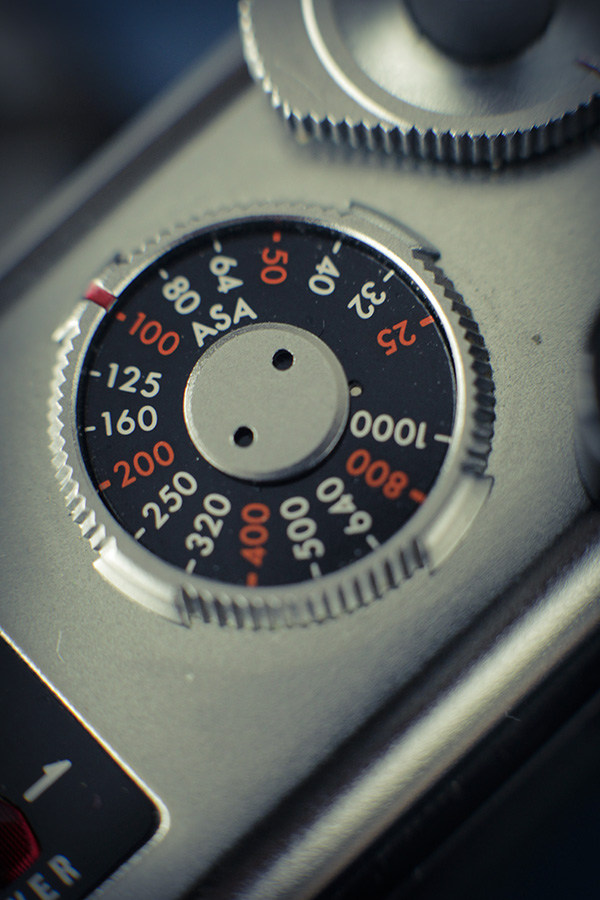 My impressions using this camera are good for the most part. And my wish list for improvements would include manual exposure capability and a faster flash-sync speed. The aperture/focusing ring location issue is just something I’d have to get used to. And I found the auto-exposures to be good enough not to worry about it. But I’d really love to have had exposure compensation available in the case I’d want to use filters. Of course you can adjust the exposure system by the round-a-bout way of the ASA setting, so there IS a way.
Photos found below after technical specs.
Technicals Specifications:
Original List Price (1975): $99.95
Price in 2015 Dollars: $445.06
Manufacturer: Yashica
Model: Electro 35 GSN
Year Introduced: 1973
Film Format: 35mm
Lens: 45mm Color-Yashinon DX f/1.7, 6-elements, 4-groups
Shutter: Leaf
Self-timer: Yes
Shutter Speeds: Infinite range between 1/500 sec to 30-secs
Shutter Release: on top
F/Stops: f/1.7 – f/16
Built-in Meter: Yes
Film Speed/ASA Range: 25 – 1000
Flash Sync: Yes, Hot Shoe, PC-Terminal
Film Advance: Single-stroke lever on top
Frame Counter: Yes (illuminated even)
Double-exposure capable: Not built in, but possible
Finder: Bright frame lines with automatic parallax correction
Mirror: N/A
Other points of note: Hinged back, tripod socket
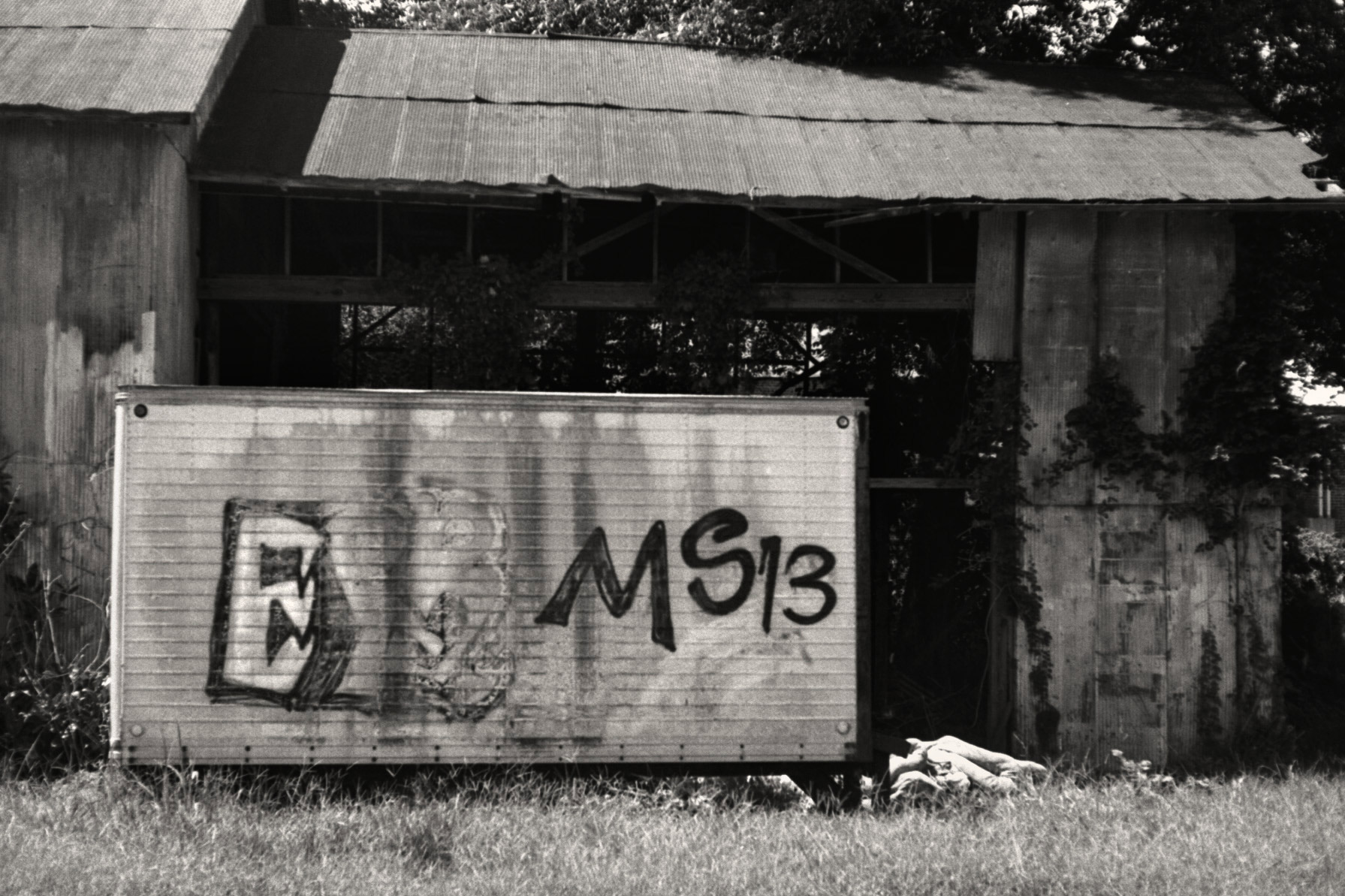
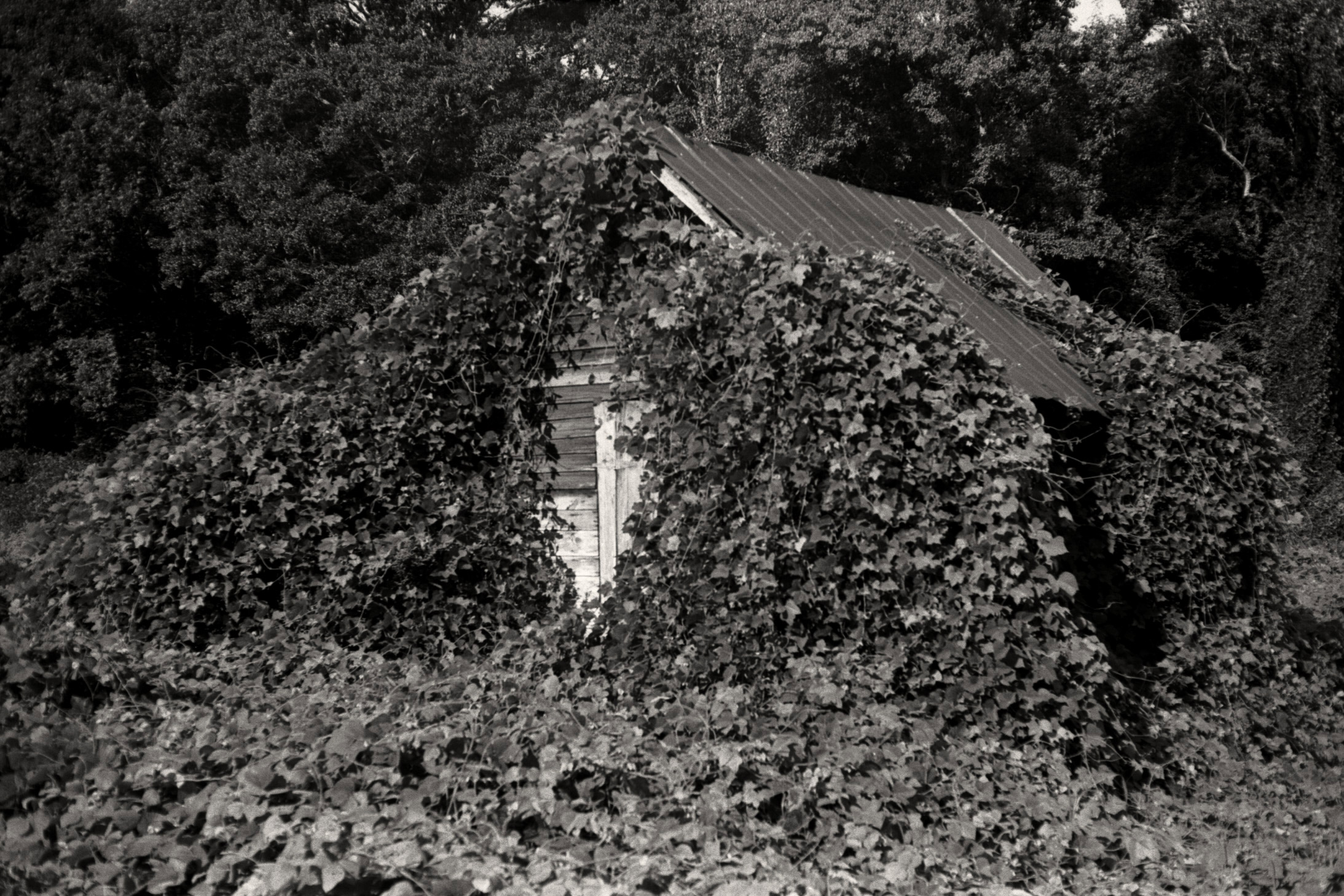
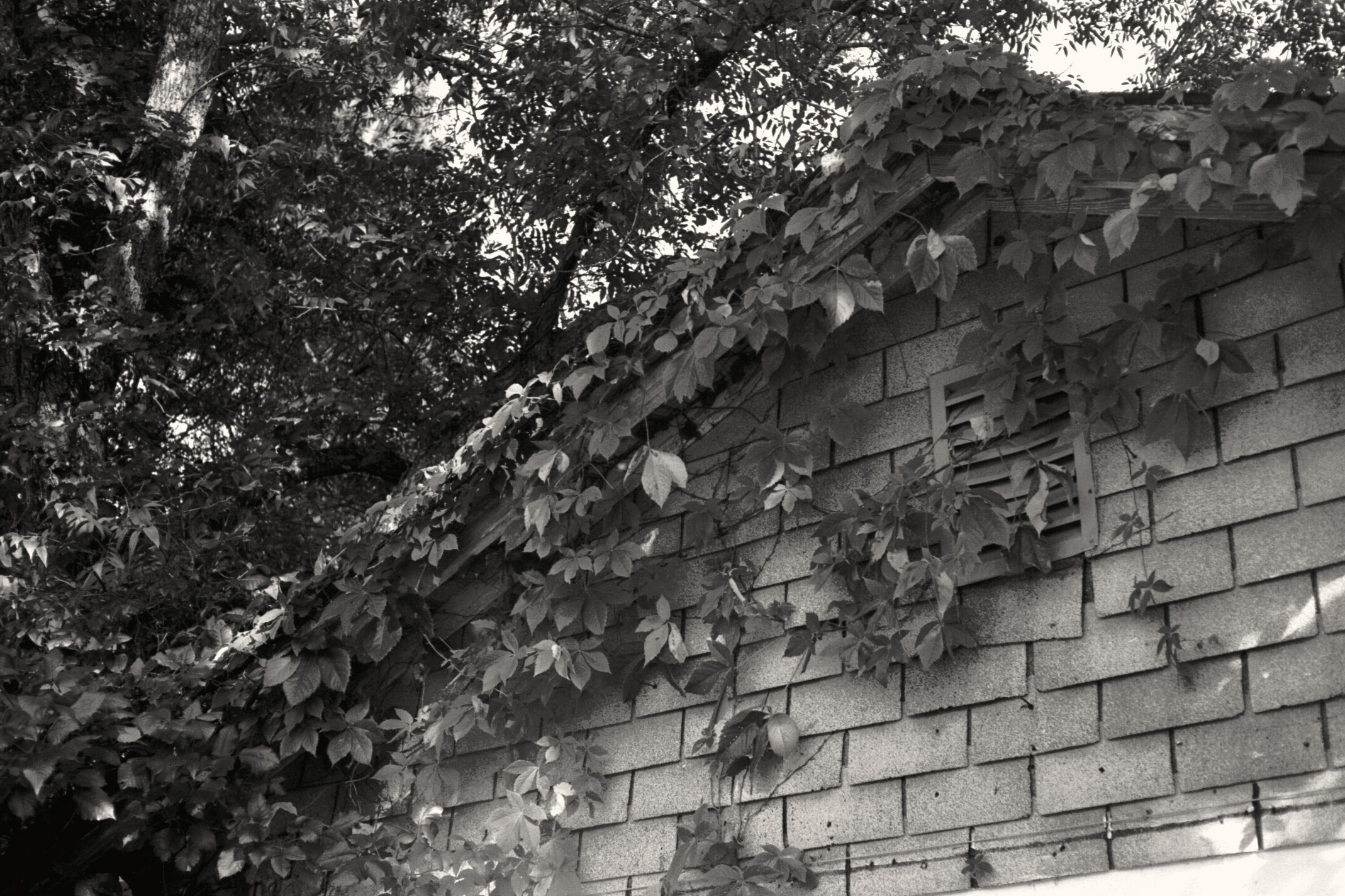
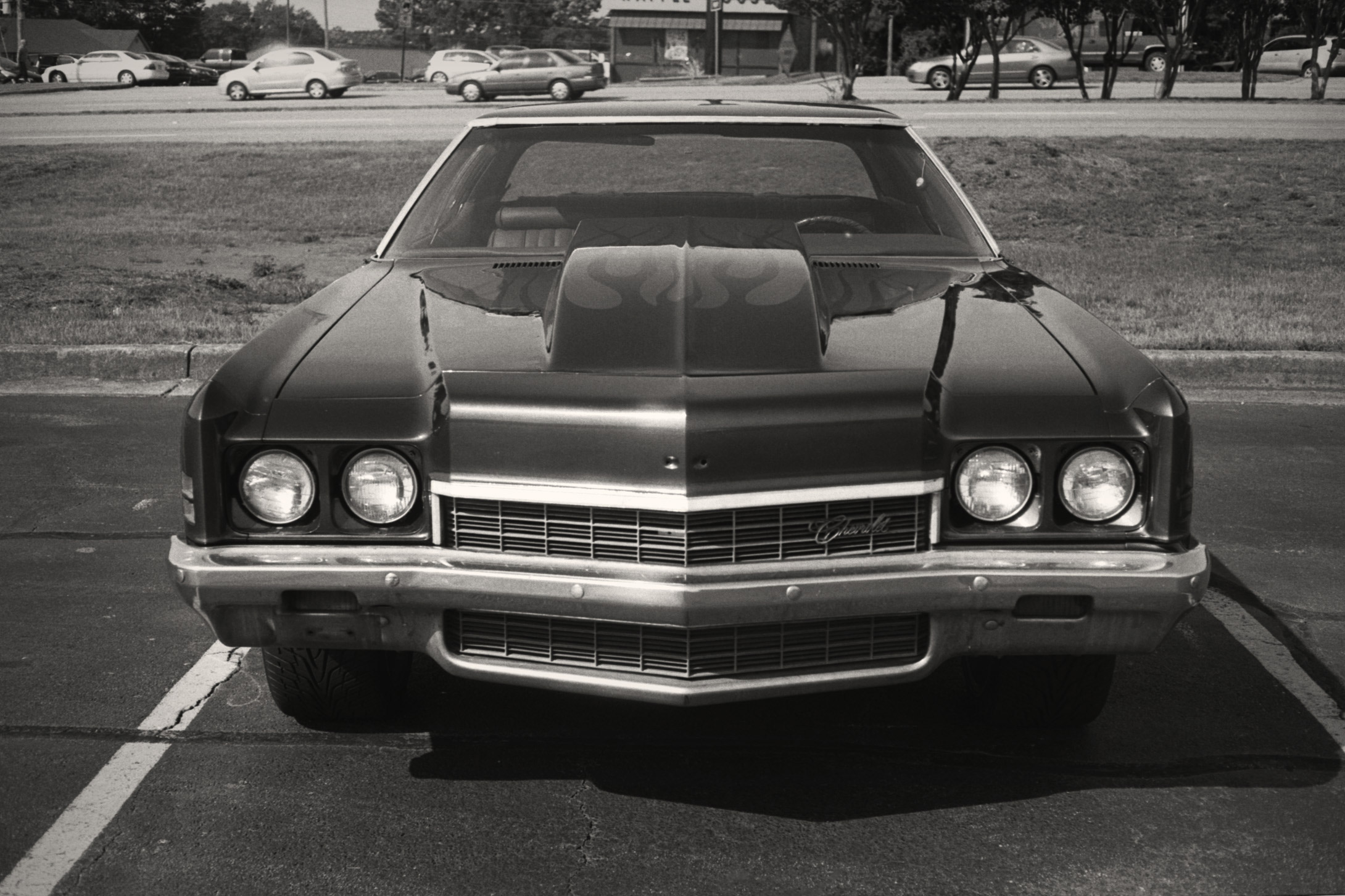
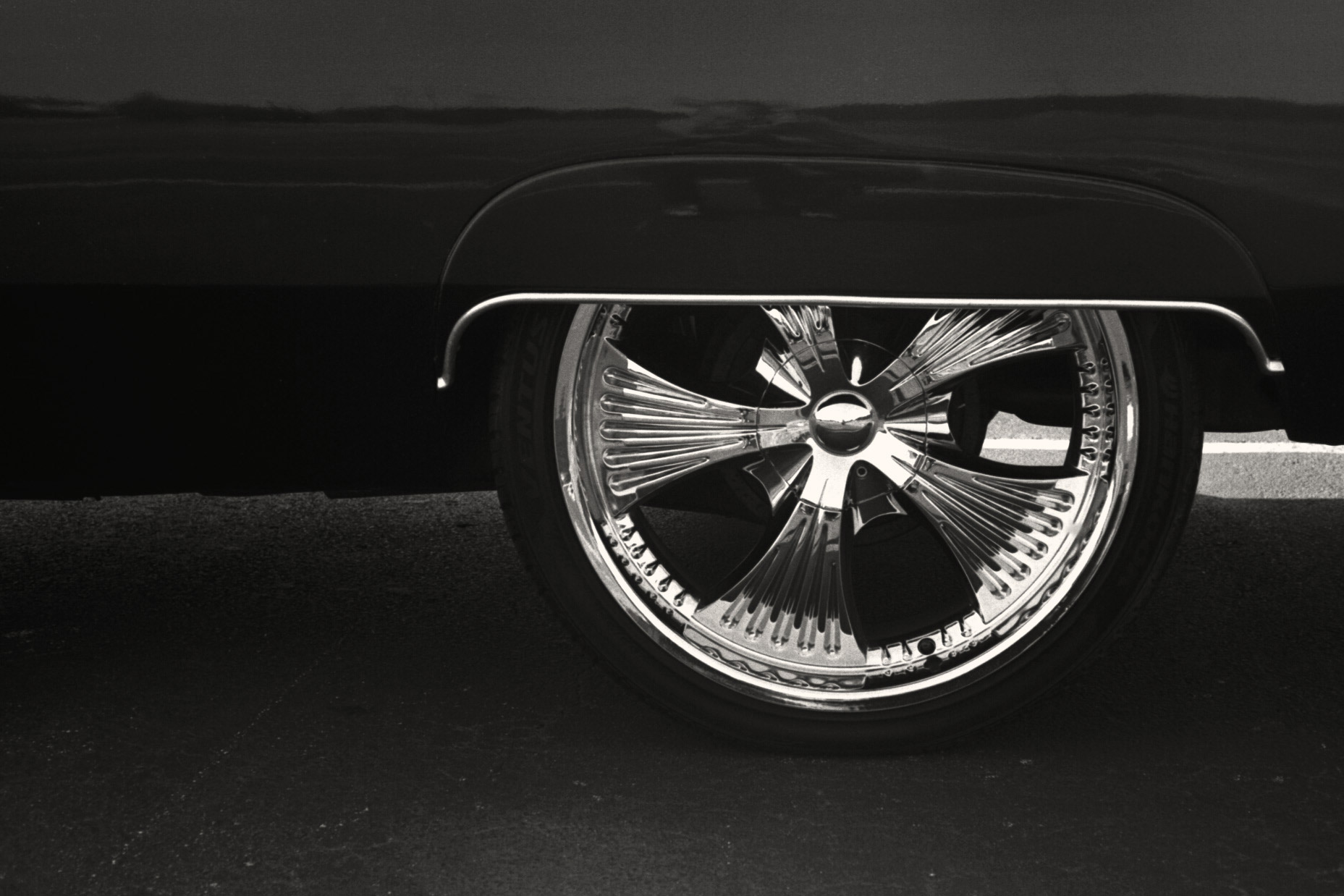
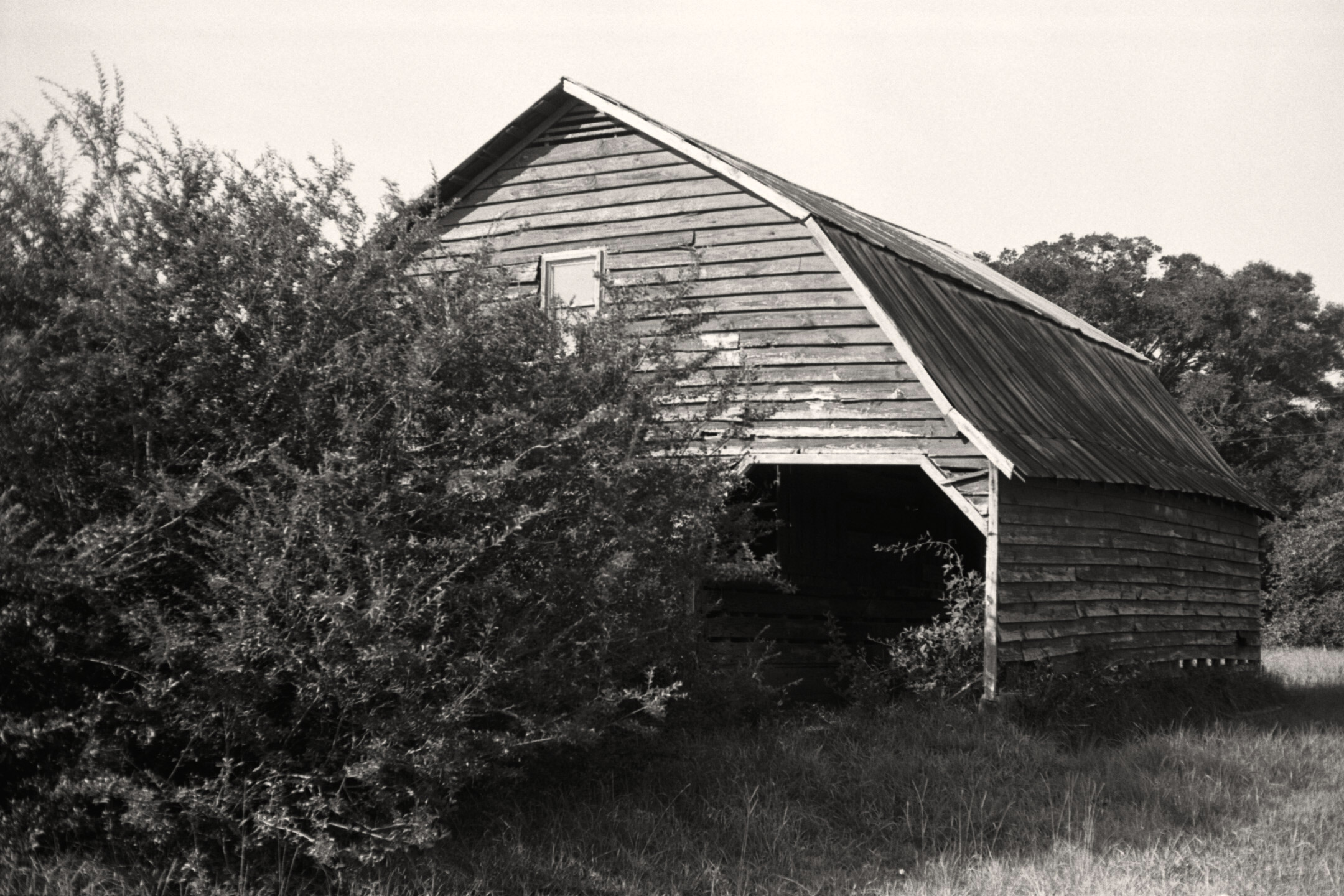
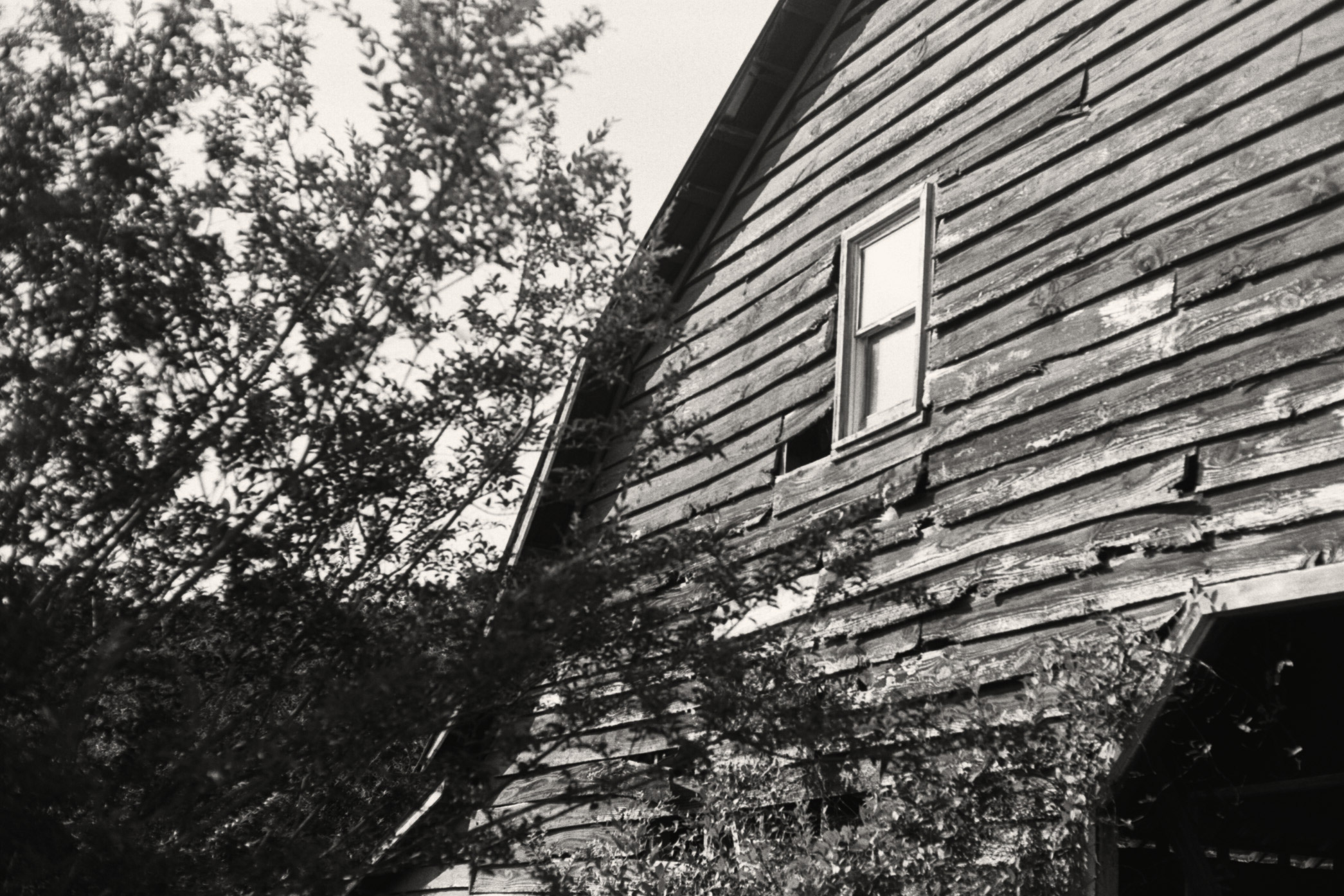
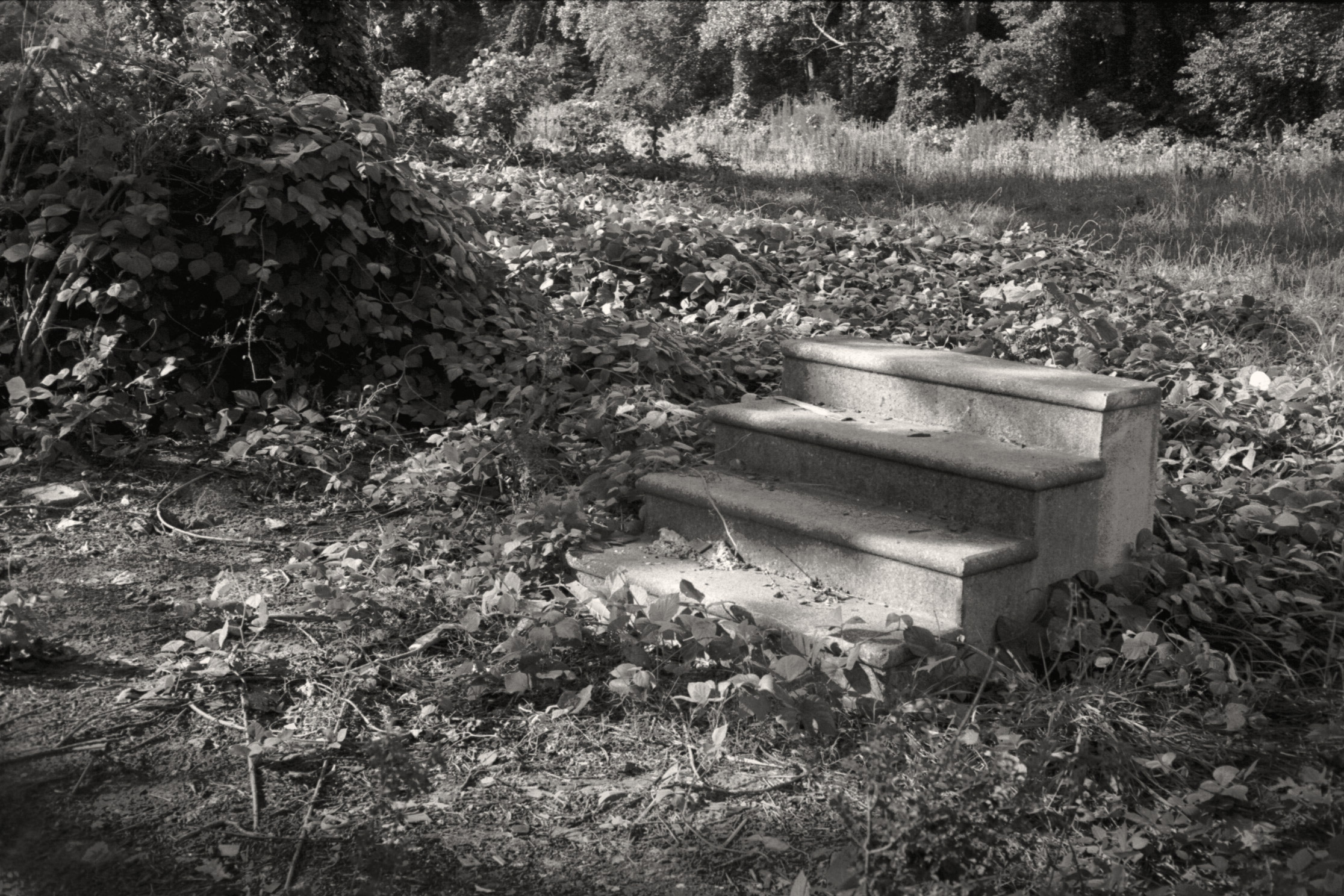
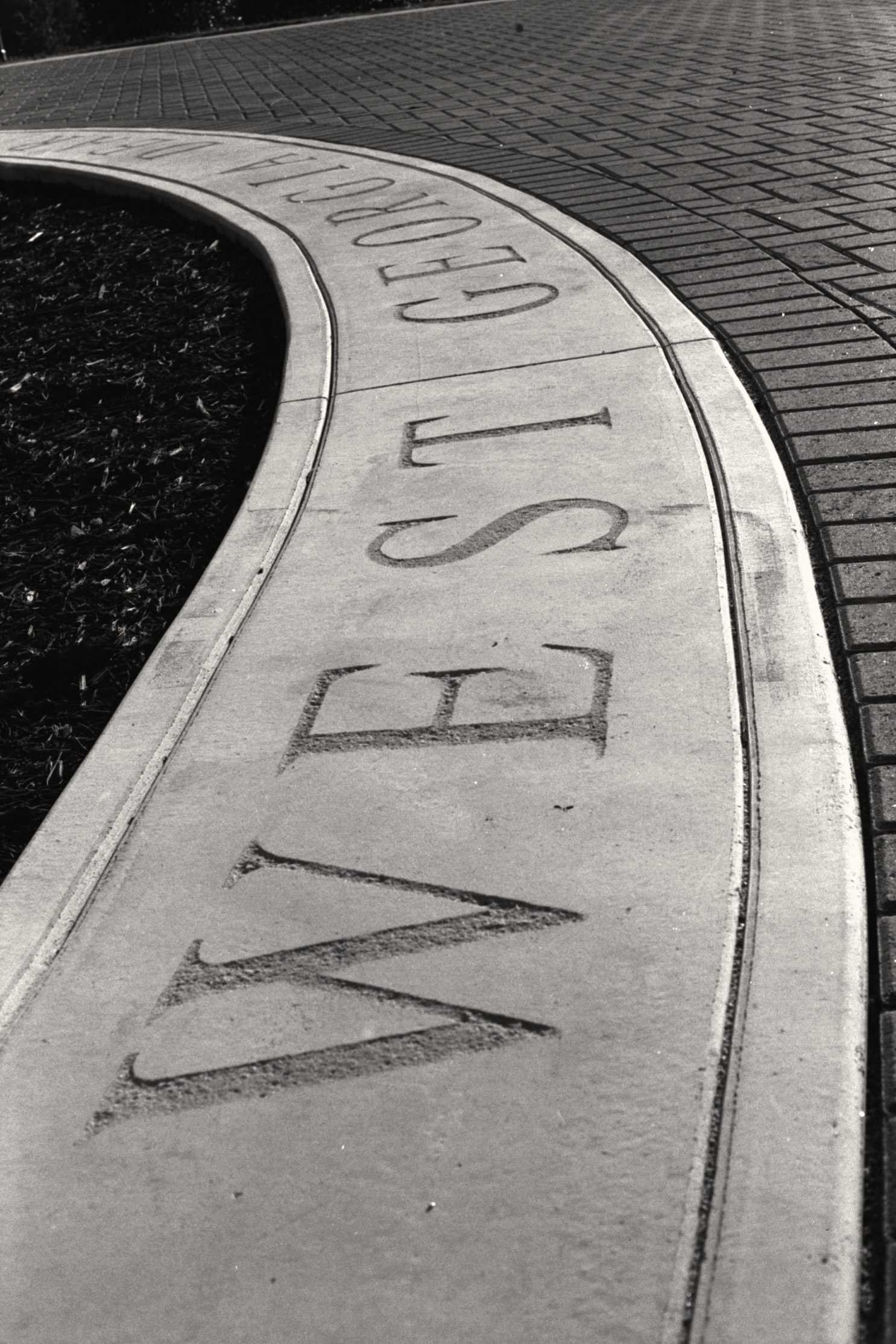
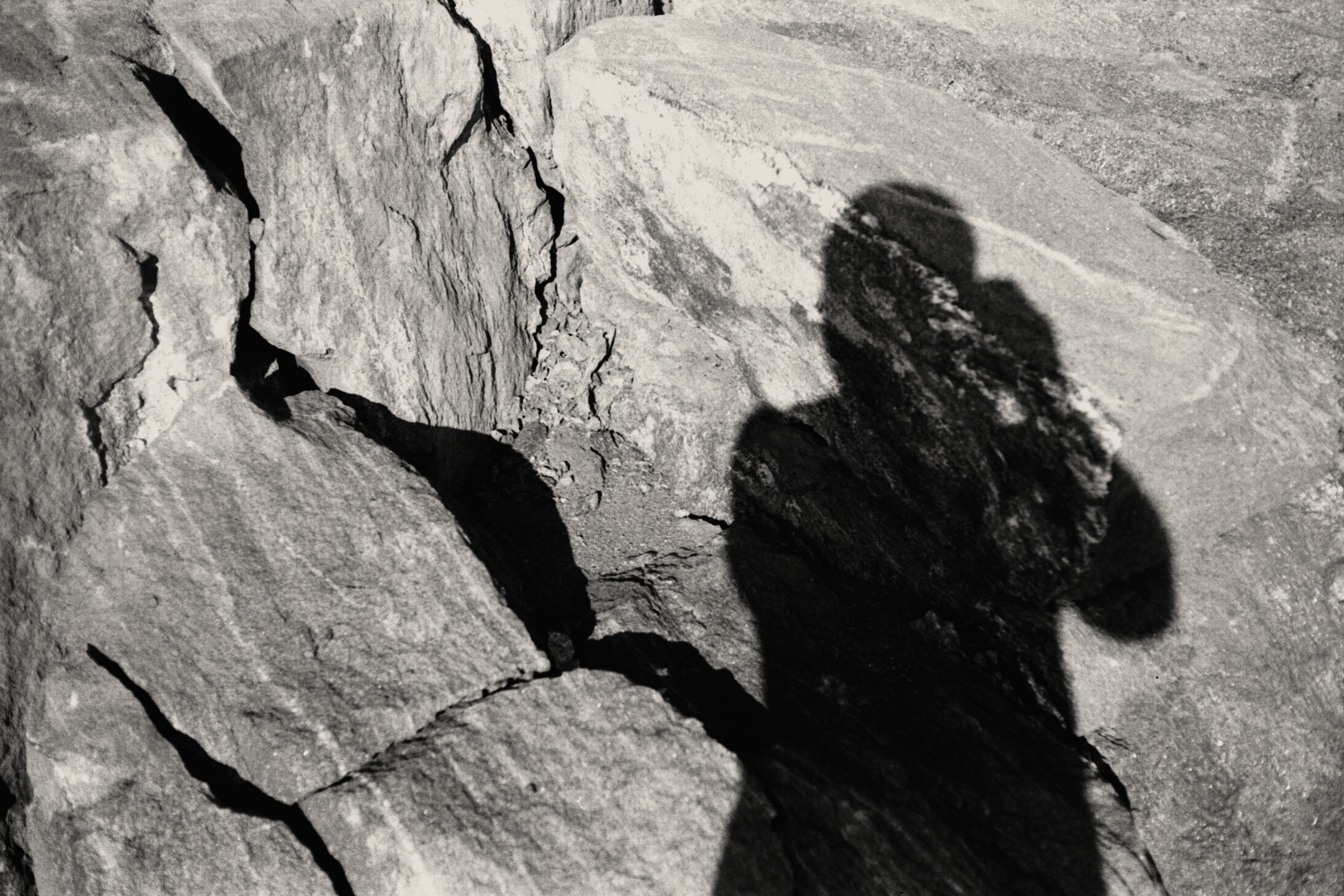
Camera: Yashica 35GSN; Film: Kentmere 100
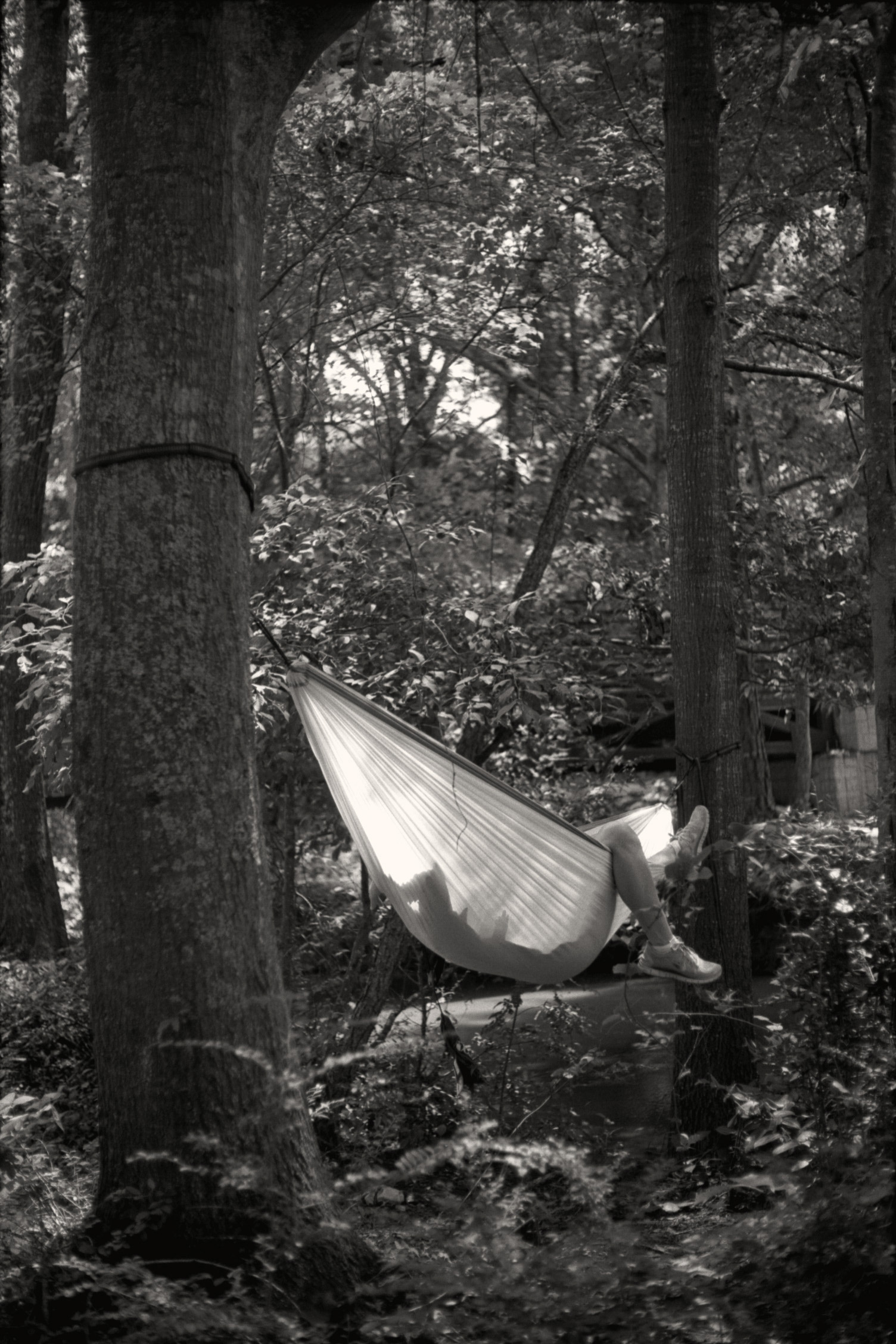
Camera: Yashica 35GSN; Film: Kentmere 100
All text and photographs on this website (other than found-photography and otherwise noted) are © 2014-2021 Steven Broome. All rights reserved.

 Vintage Camera Digest
Love the 35GSN, I have a few. And those Kentmere 100 turned out nice.
LikeLiked by 1 person
Thanks, dehk! I think I’ll really like the Kentmere once I get a little more accustomed to it.
LikeLike